Moisture readings
Daily numbers from meter and hygrometer
When a pipe bursts or a storm pushes water under your floor, drying and dehumidification vero beach FL is the step that stops a bad day from becoming a mold problem. We serve homeowners, renters, and property managers across Indian River County with structural drying vero beach crews who measure moisture, set equipment, and check progress daily until your space is dry.
Every drying job is different, but the core work is the same. We map the moisture, remove what cannot be saved, set the equipment, and monitor until the readings say dry. Here is what is included when we handle drying and dehumidification at your property.
We dry houses, condos, and rentals after leaks, overflows, and storm water get inside. You get daily readings and a clear answer on when each room is dry.
We dry offices, retail spaces, and rental units so you can reopen the affected area fast. Work is scheduled around your hours and documented for your records.
Drying and dehumidification vero beach FL is the controlled removal of moisture from building materials and the air inside them after water gets in. It is not a fan pointed at a wet rug. We use a moisture meter and thermal imaging camera to map where water traveled behind drywall, under subflooring, and into insulation. Then we place dehumidifiers and air movers to pull that moisture out at a rate the structure can handle without warping or cracking.
Vero Beach sits between the ocean and the Indian River, so humidity stays high most of the year and afternoon storms dump water fast. A slab leak, roof leak, or appliance overflow that sits for a day can push mold growth into wall cavities. That is why we treat every call as time-sensitive and start professional drying and dehumidification vero beach FL as soon as we arrive, not the next business day.
We measure the moisture, dry the structure, and verify the readings before we call it done.
You get a clear sequence from the first phone call to the final moisture reading. No mystery, no equipment left running for weeks with no explanation. Here is what to expect when we handle drying and dehumidification at your property.
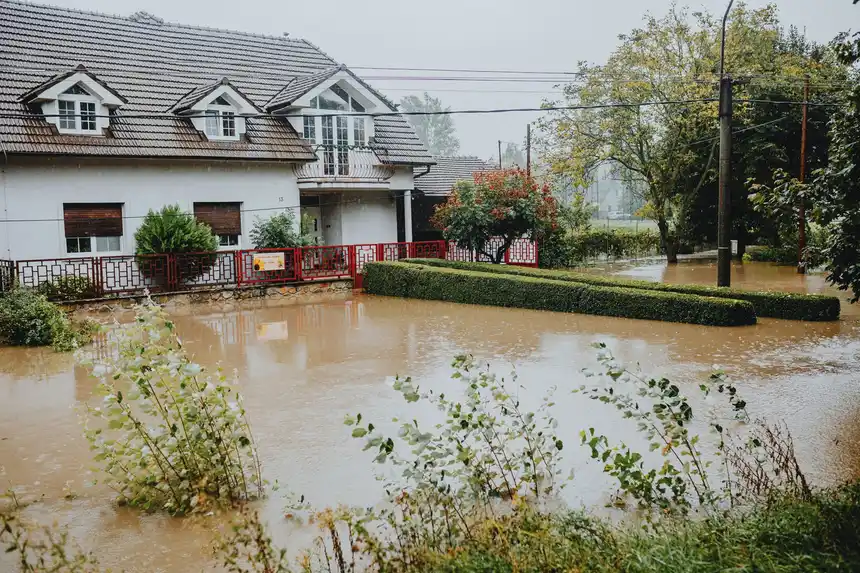
You call (772) 905-3839 and describe what happened. We ask about the source, how long it has been wet, and what flooring or walls are involved. Then we schedule a visit, often the same day, and bring extraction and drying equipment so we can start immediately if the scope calls for it.
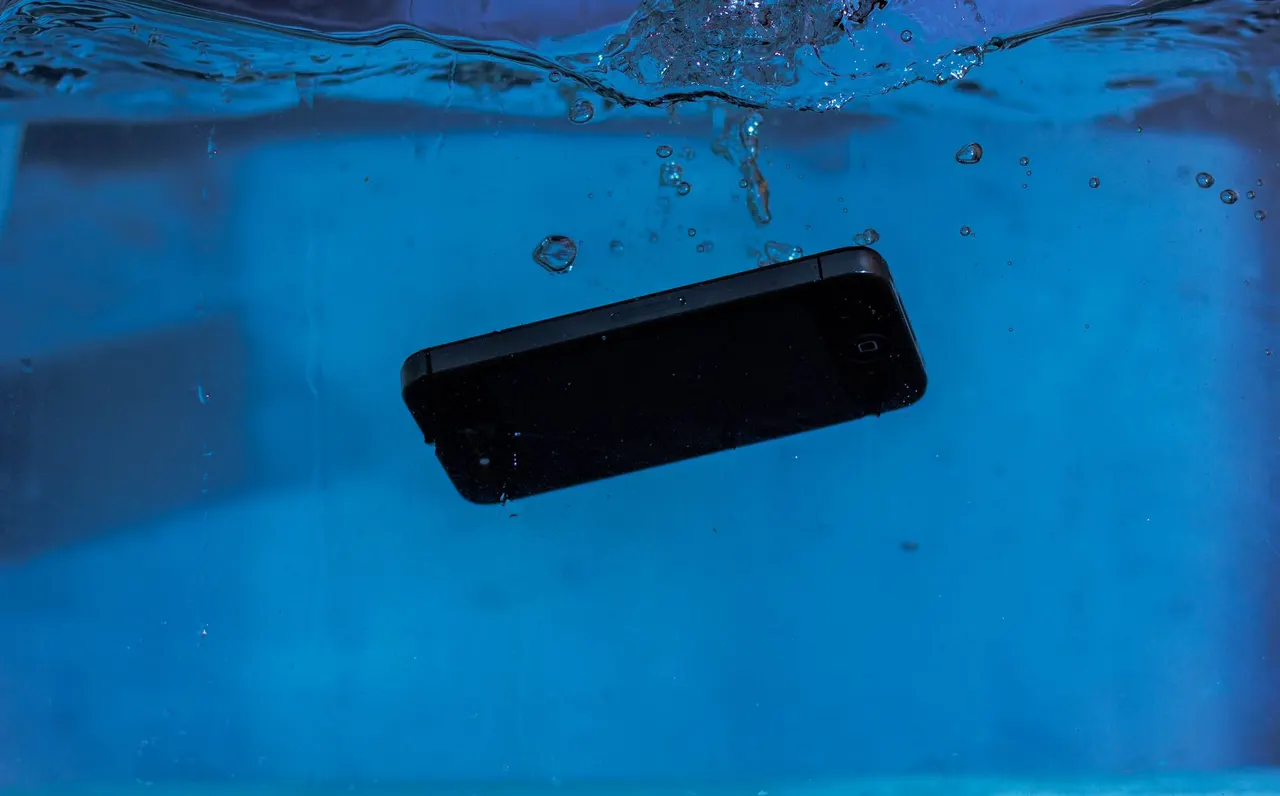
On arrival we walk the space with a moisture meter, thermal imaging camera, and hygrometer. We check baseboards, subflooring, and wall cavities, and we use a boroscope behind cabinets when needed. You get a plain explanation of where the water went and what has to dry.
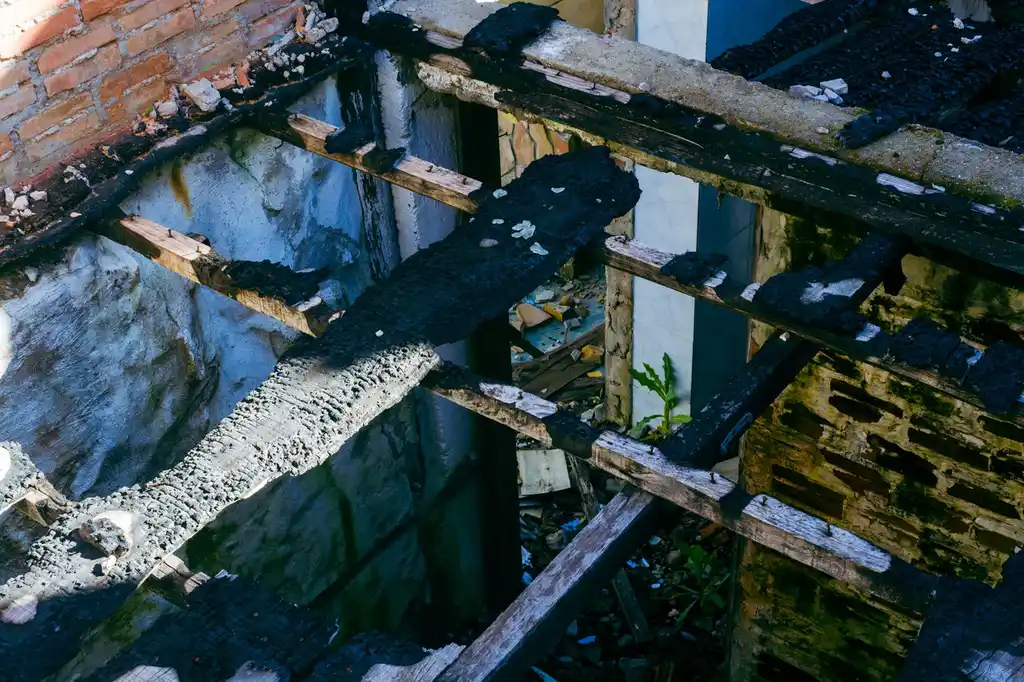
We place Dri-Eaz and Phoenix Restoration Equipment dehumidifiers and air movers based on the readings, not a guess. Carpet padding and baseboards that cannot be saved come out first. Then we establish the drying chamber and start pulling moisture out of the air and materials.
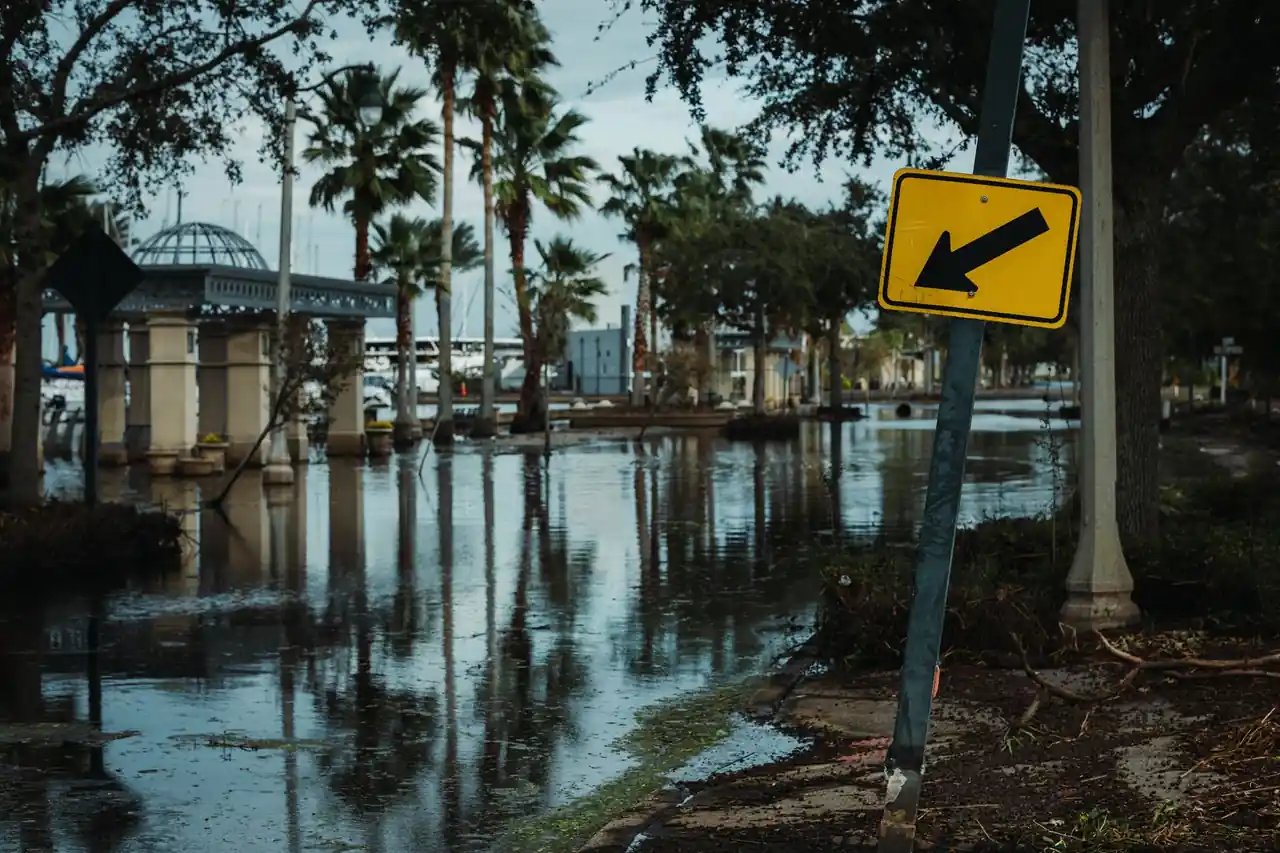
Drying is not set-and-forget. We return each day, take new readings with the moisture meter and hygrometer, and adjust equipment placement. If a wall cavity is holding water, we add an air mover or change the dehumidifier setting. You get a short update after every visit.
When materials reach dry standard, we take final readings and photograph them. You receive a record of the drying log, which helps with an insurance claim. Then we remove the equipment, and we can walk you through any repairs still needed before the room goes back to normal.
Reads moisture content in drywall, wood, and subflooring so we know exactly where water is and when materials reach dry standard.
Shows temperature differences that reveal hidden moisture behind walls and under floors without tearing everything open.
Measures relative humidity in the air so we can confirm the dehumidifiers are pulling moisture out at the right rate.
Lets us look inside wall cavities and under cabinets to check for moisture and mold growth in places we cannot see directly.
Pull moisture out of the air so it does not settle back into walls and floors while the structure dries.
Move air across wet surfaces to speed evaporation from drywall, subflooring, and framing.
Used for controlled demolition of unsalvageable materials like wet baseboards, carpet padding, and damaged drywall.

We follow the S500 standard for water damage drying, which sets the criteria for equipment placement, monitoring frequency, and what counts as dry. It is the difference between a room that feels dry and a room that is dry.
We extract the water, open the wall where needed, and set dehumidifiers and air movers to dry the framing and subflooring. Daily readings track the progress until the cavity is dry. The wall and floor dry without full replacement, and you avoid mold growth in the cavity behind the tile.
We pull the wet carpet padding, extract water from the carpet and pad area, and set a drying chamber with air movers and dehumidifiers sized to the rooms. Carpet and subflooring dry in three to four days, and you replace only the padding instead of the whole floor.
We extract the standing water, check the walls with a moisture meter, and dry the affected areas with dehumidifiers and air movers. We document everything for your insurance claim. The laundry room and hallway return to dry standard in three days, and the drying log supports your claim.
We remove the wet tiles and insulation, set commercial drying equipment, and monitor over the next few days so the business can reopen the affected area quickly. The ceiling cavity dries, mold growth is prevented, and the space is back in service without a full ceiling replacement.
Vero Beach properties deal with humidity that never really goes away. Ocean air and afternoon storms keep outdoor relative humidity high, so a wet wall here dries slower than the same wall inland. That is why we run dehumidifiers longer and check readings daily instead of every other day. Older homes near Central Beach often have plaster walls and original wood subflooring that hold moisture differently than modern drywall, so we adjust equipment placement and drying targets to the materials in front of us. Slab-on-grade construction is common, which means slab leaks and under-floor moisture are regular calls. When you search for structural drying after water damage in vero beach Florida, you want a crew that knows how local building stock behaves. We also handle commercial drying and dehumidification vero beach FL jobs in retail and office spaces where the business needs to reopen fast. ZIP codes we cover include 32963, 32960, 32961, 32964, and 32969.
A supply line under the kitchen sink let go while the homeowner was at work. Water soaked the baseboards, cabinet toe kicks, and about 120 square feet of tile and subflooring. Moisture meter readings in the wall cavity were above 25 percent.
We extracted the standing water, removed wet baseboards, and ran dehumidifiers and air movers for four days. Final readings came back under 12 percent, and the cabinets and tile were saved. Only the baseboards needed replacement.
Check supply lines under sinks twice a year and replace braided lines every five to seven years. A $15 line is cheaper than a drying job.
A roof leak during a summer storm soaked ceiling drywall and insulation in two bedrooms. Water traveled along joists and showed up as stains six feet from the actual leak. Insulation was saturated and ceiling drywall was sagging.
We removed the wet insulation and damaged drywall, dried the joists and ceiling cavity for five days, and applied antimicrobial solution to the framing. Final moisture readings were at dry standard and the ceiling was ready for new drywall.
Have the roof inspected after every named storm and check attic insulation for damp spots. Catching a leak early keeps the repair small.
A 12-year-old water heater failed in the garage and sent water into the laundry room and hallway. Carpet padding was soaked, and the bottom plate of two walls was wet. The homeowner noticed a musty smell within a day.
We extracted the water, pulled the wet carpet padding, and dried the walls and subflooring for three days. Moisture readings returned to normal, the musty smell cleared, and the drying log supported the insurance claim.
Flush the water heater once a year and replace the anode rod every three to five years. Most failures start with a corroded tank, not a sudden burst.
Water gets into buildings in a handful of predictable ways here. Each one leaves moisture in different materials, and each one needs a different drying setup. Here are the problems we handle most often.
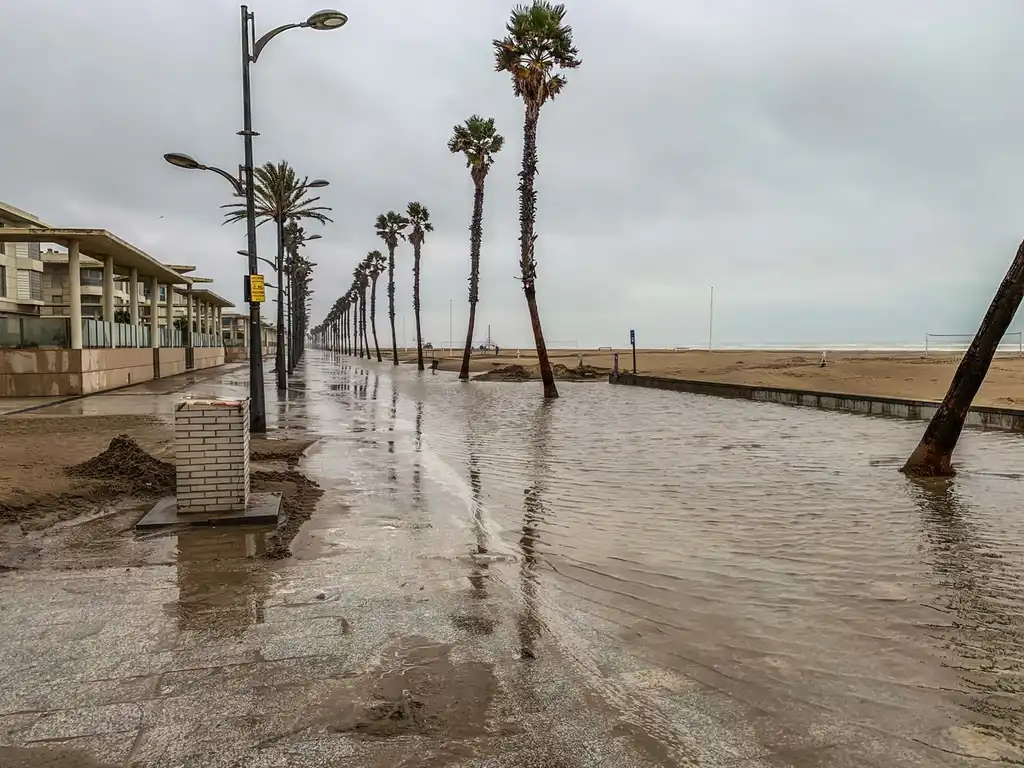
We locate the moisture with a thermal imaging camera and moisture meter, dry the affected flooring and walls with air movers and dehumidifiers, and document readings so you can see the subflooring returning to dry standard. Water under a slab wicks up into flooring and baseboards, causing cupping, loose tile, and a musty smell that does not go away with cleaning.
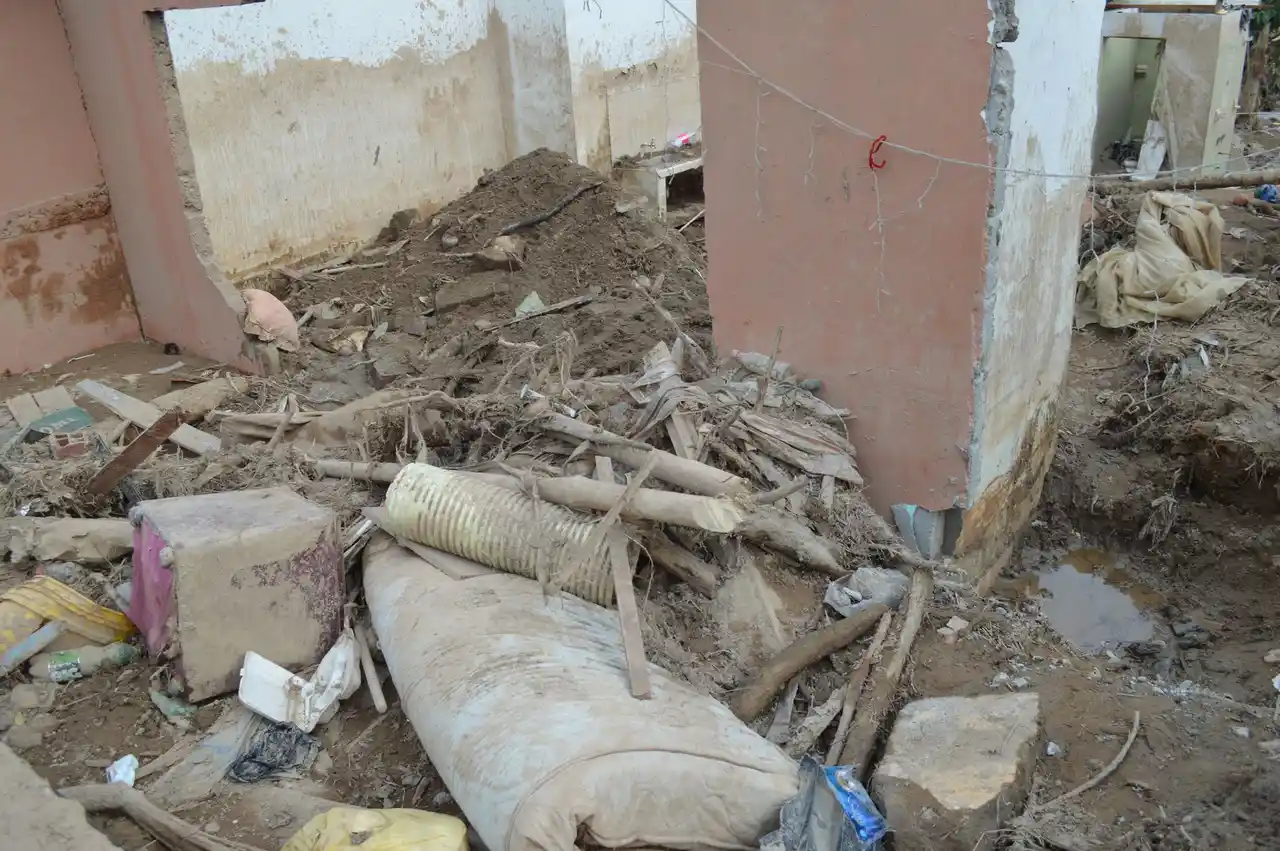
We trace the moisture path with a boroscope and thermal camera, dry the ceiling and wall cavities, and apply antimicrobial solution to framing before mold growth can take hold. Water travels along ceiling joists and drips far from the actual leak, so the visible stain is rarely where the damage is worst.
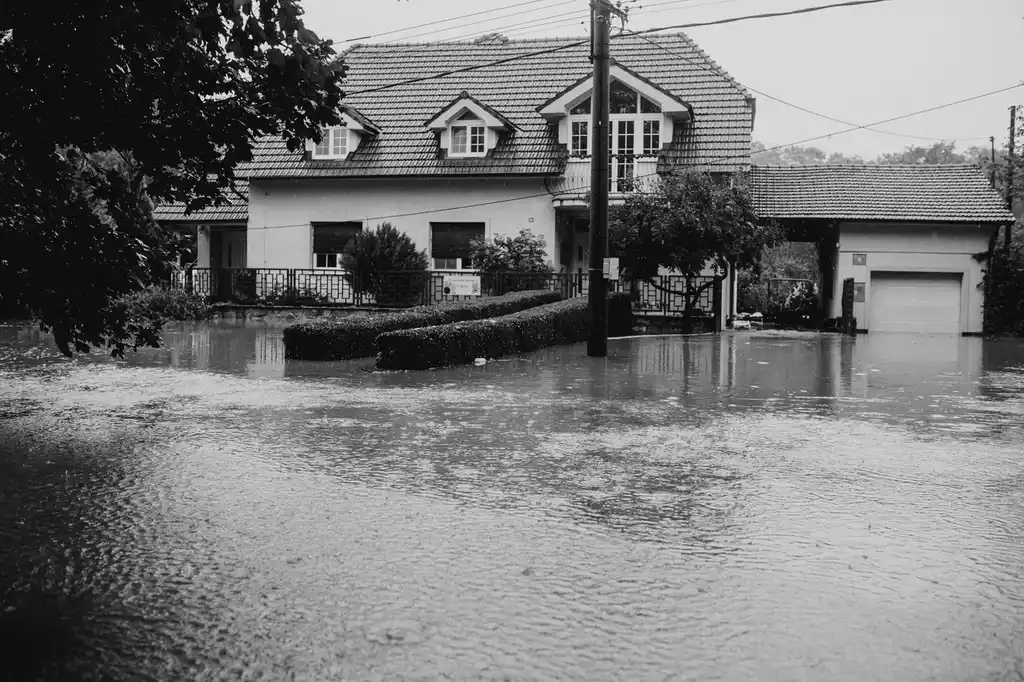
We extract standing water, remove unsalvageable padding and drywall, and set drying equipment the same day. Most residential jobs reach dry standard in three to five days. A burst supply line or failed water heater can put gallons into a room in minutes, soaking carpet padding, drywall, and baseboards before anyone notices.
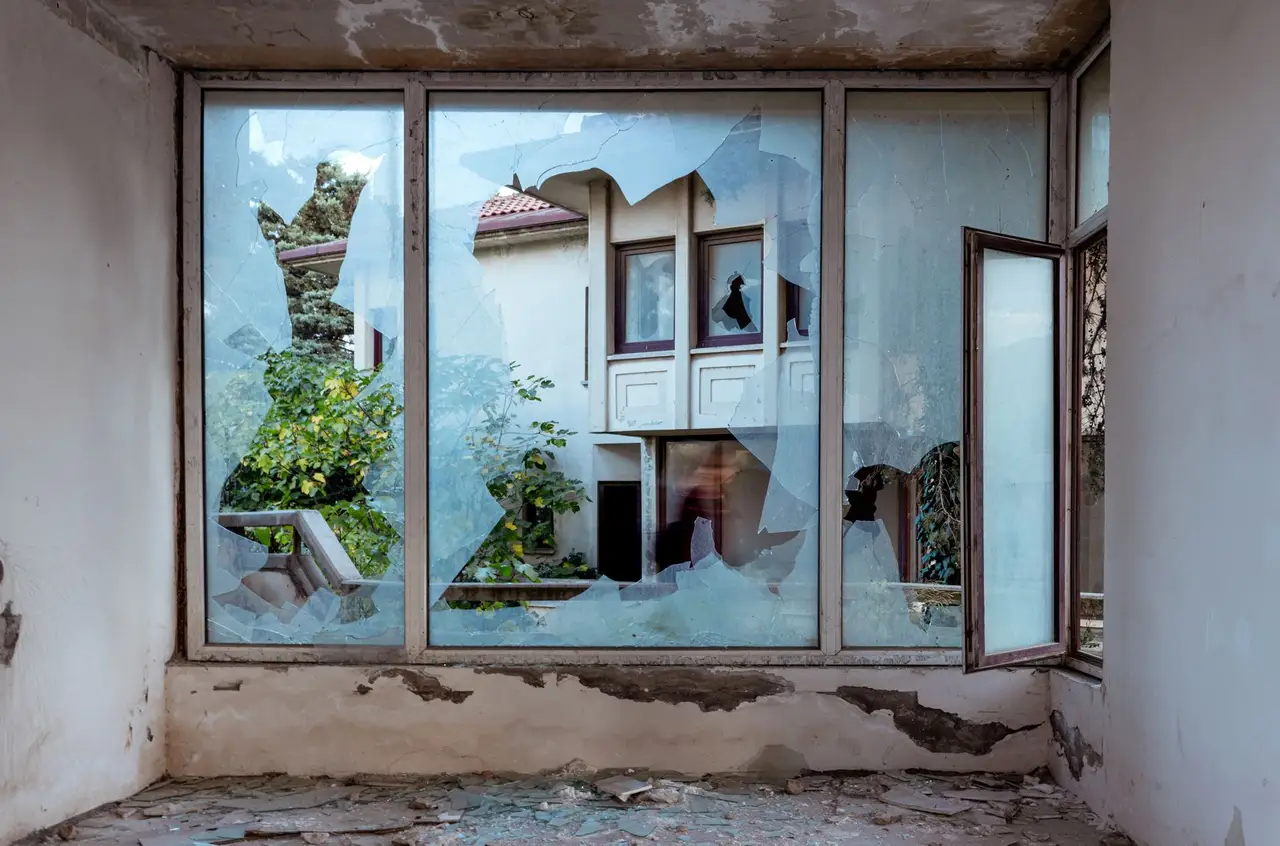
We remove contaminated materials, apply antimicrobial solution, and then dry the structure with dehumidifiers and air movers. We tell you honestly whether it is safe to stay in the home during the work. Sewage brings bacteria and contaminants that make standard drying unsafe until affected materials are removed and the area is treated.
Mold can start colonizing wet drywall and insulation within 24 to 48 hours. We dry materials below the threshold where mold grows and apply antimicrobial solution to affected framing, which protects the air your family breathes.
Wood subflooring and baseboards cup, swell, and rot when moisture sits. Controlled drying with air movers and dehumidifiers pulls water out gradually, so many floors and walls can be saved instead of torn out and replaced.
Every square foot of drywall we save is a square foot you do not pay to replace. Drying and dehumidification in vero beach Florida usually costs far less than rebuilding a room, and it keeps the job smaller for your insurance adjuster.
Most residential structural drying vero beach FL jobs reach dry standard in three to five days. We log readings each visit so you can see the numbers dropping and know exactly when the room is ready for normal use again.
Pricing depends on how much water got in, what materials are wet, and how long the equipment has to run. Typical 2026 residential drying and dehumidification vero beach FL jobs run $1,200 to $3,500. Small losses in one room can come in lower, and jobs with water in multiple rooms or wall cavities run higher. We give you a clear number before equipment goes down, and we document daily readings so you can see exactly what you are paying for.
What your estimate is based on
$1,200 - $3,500 depending on scope Drying correctly the first time costs less than tearing out moldy drywall and rebuilding a room. Daily readings and documentation also help your insurance claim move without arguments about whether the space was actually dry.
Clear records you can keep and share.
Daily numbers from meter and hygrometer
Written record of readings and equipment changes
Images of affected areas and final readings
A wall can feel dry on the surface while the framing behind it still holds water. That hidden moisture is what feeds mold growth weeks later.
Drywall paper dries fast, but the gypsum core and framing behind it hold water longer. We measure inside the cavity, not just the surface.
Air movers dry the air near the surface while dehumidifiers pull moisture out of the room. Both are needed, and the readings tell us when each has done its job.
One reading only shows a snapshot. We compare daily numbers to see the drying curve and confirm the structure is actually moving toward dry standard.
Outside these areas? Call and we will tell you if we can reach you. (772) 905-3839
Most homes reach dry standard in three to five days. Small losses, like a supply line leak under a sink, can dry in two to three days. Larger jobs with water in wall cavities or under tile can run five to seven days. We take moisture readings daily and tell you exactly where the numbers stand, so you are never guessing about the timeline.
Typical 2026 pricing for residential structural drying vero beach FL runs $1,200 to $3,500 depending on square footage, how many rooms are affected, and how long equipment runs. Commercial drying and dehumidification vero beach FL jobs price higher because of size and after-hours scheduling. We give you a clear number before equipment goes down.
Yes. Dehumidifiers are the core of the job. Air movers evaporate moisture from materials into the air, and dehumidifiers pull that moisture out so it does not settle back into the walls. We size the units to the room and run them until the hygrometer shows the space is at dry standard, not just dry to the touch.
In most cases yes, if the affected area is contained and the equipment is not in your bedroom or main living space. We set up containment and keep the drying chamber separate from where you sleep and eat. If the job involves sewage backup or heavy mold, we will tell you honestly whether staying is a good idea.
Water does not wait, and neither should you. Call (772) 905-3839 and we will schedule a visit, bring the equipment, and start drying the same day whenever possible. You get clear readings and a plan you can follow.
If you have water where it should not be, call (772) 905-3839. We answer emergency calls and can usually have a crew at your door within a couple of hours for active leaks and flooding. For non-emergency work, call during business hours and we will schedule a walkthrough. You can also email info@verobeachdamagefixpros.com.