Written scope
Room-by-room list of what is wet and what is removed
When water is standing in your home, flood cleanup vero beach FL crews from Vero Beach Damage Fix Pros pull it out, dry the structure, and document everything for your claim. We handle storm flooding, pipe bursts, sewage backups, and appliance overflows across Indian River County. Call (772) 905-3839 and we roll a truck to your address today.

Every flood cleanup vero beach FL job we run covers the full water-to-dry sequence. Below is what is included in a standard loss. Rebuild work like new drywall, paint, and flooring is quoted separately once drying is verified, so you always know which phase you are paying for.
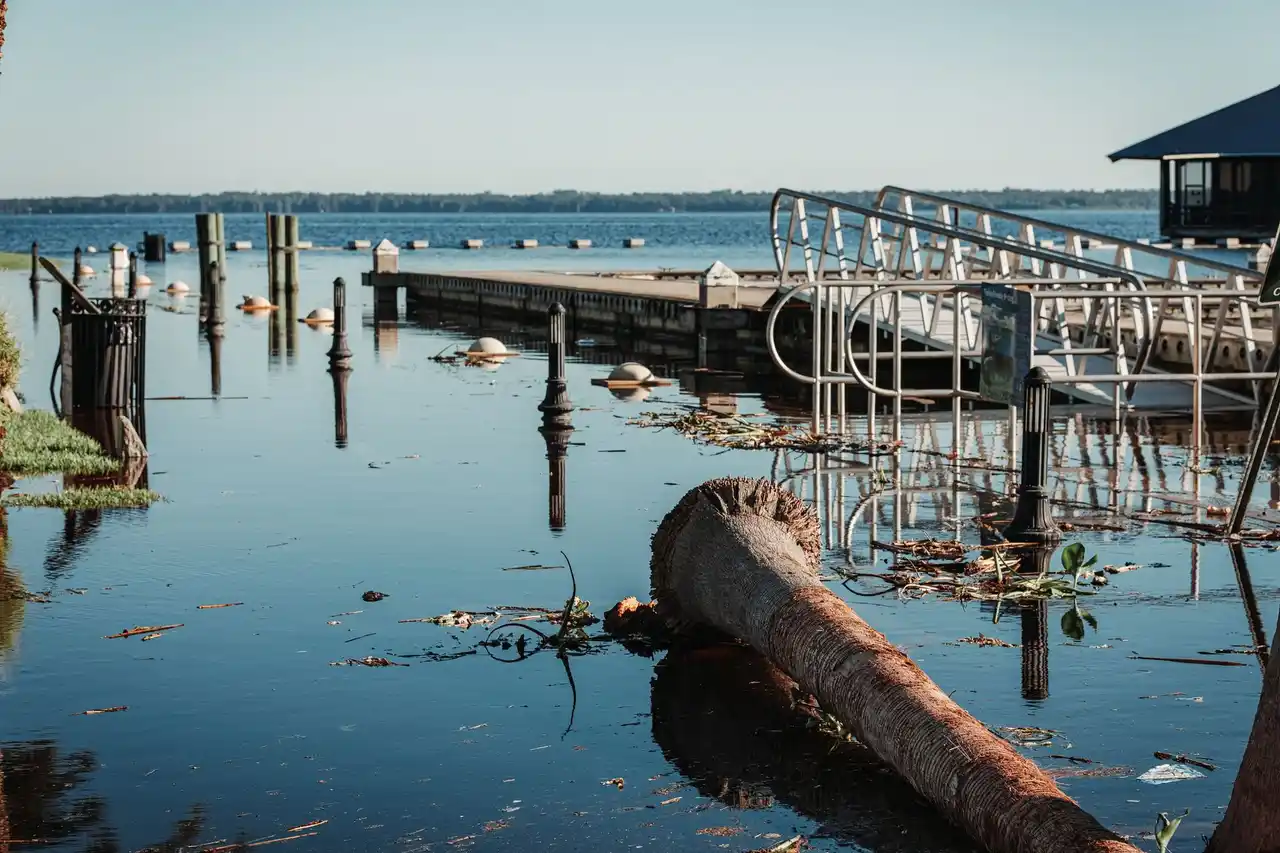
We handle flood cleanup for houses, condos, and rentals across vero beach. You get extraction, material removal, and drying with daily readings until the structure is dry.
We work with property managers, landlords, and small business owners to get water out and spaces dry. Scheduling is built around your operating hours.
Flood cleanup vero beach FL is the process of removing standing water, extracting saturated materials, and drying a structure back to its pre-loss moisture content. It starts with a moisture meter and thermal imaging camera to map where water traveled behind drywall and under subflooring. From there we pull water with a water extraction unit, remove ruined carpet padding and insulation, set dehumidifiers and air movers, and treat affected surfaces with antimicrobial solution. Every reading gets logged so you can see the structure drying day by day.
Most calls we run in vero beach FL flood cleanup come from three sources: storm flooding after a tropical system, a pipe burst behind a wall, or a slab leak that soaks the floor before anyone notices. Salt air and sandy soil here speed up corrosion on older plumbing, and summer storms drop inches in an hour. If you search flood water cleanup near me vero beach at 2 a.m., we answer and dispatch. The faster water comes out, the less drywall, baseboards, and subflooring you replace.
Water comes out fast, materials get checked, and nothing gets closed up wet.
Every job follows the same sequence, whether it is a single bathroom or a whole first floor. You get a call ahead of arrival, a walkthrough before we start, and daily updates until the structure is dry.
You call (772) 905-3839 and describe what happened. We ask about the water source, how long it has been standing, and whether sewage is involved. That tells us what equipment to load and whether you should shut off the breaker to affected rooms before we arrive.

On site we walk the loss with you, then run a moisture meter and thermal imaging camera across floors, walls, and ceilings. We mark the water line on drywall and check under cabinets with a boroscope. This takes 30 to 60 minutes and sets the scope for everything that follows.
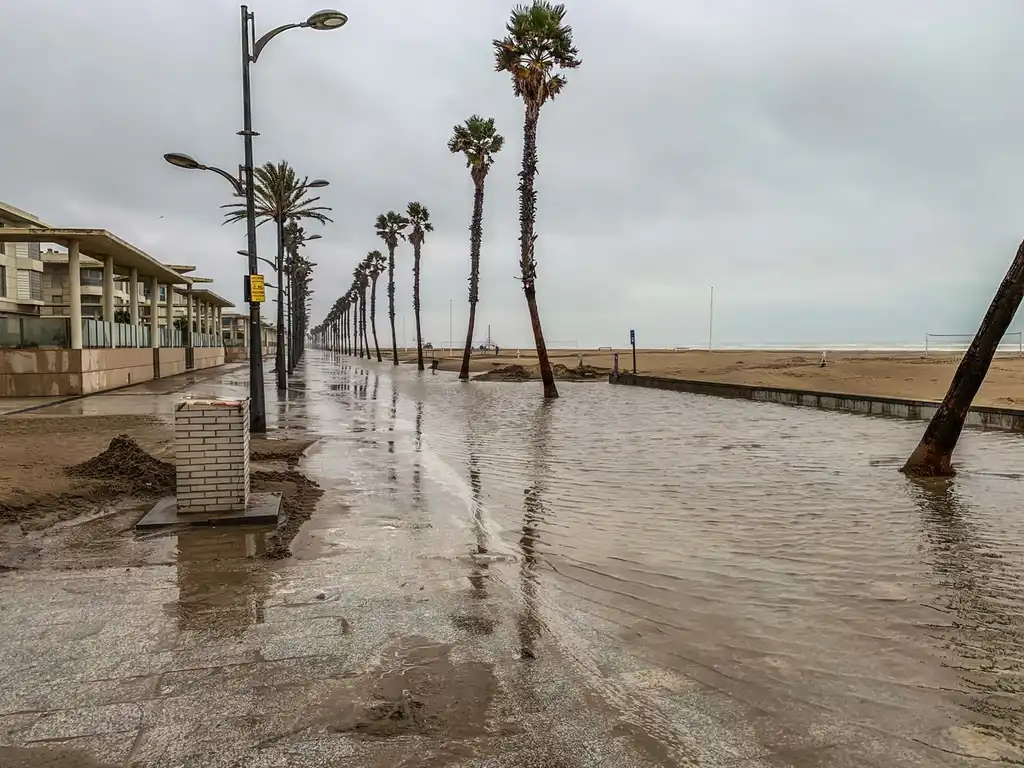
We pull standing water with a water extraction unit, then remove carpet padding, ruined insulation, and any baseboards holding moisture. Wet drywall below the water line gets cut out. This is the loudest, messiest part of the job and usually the fastest.
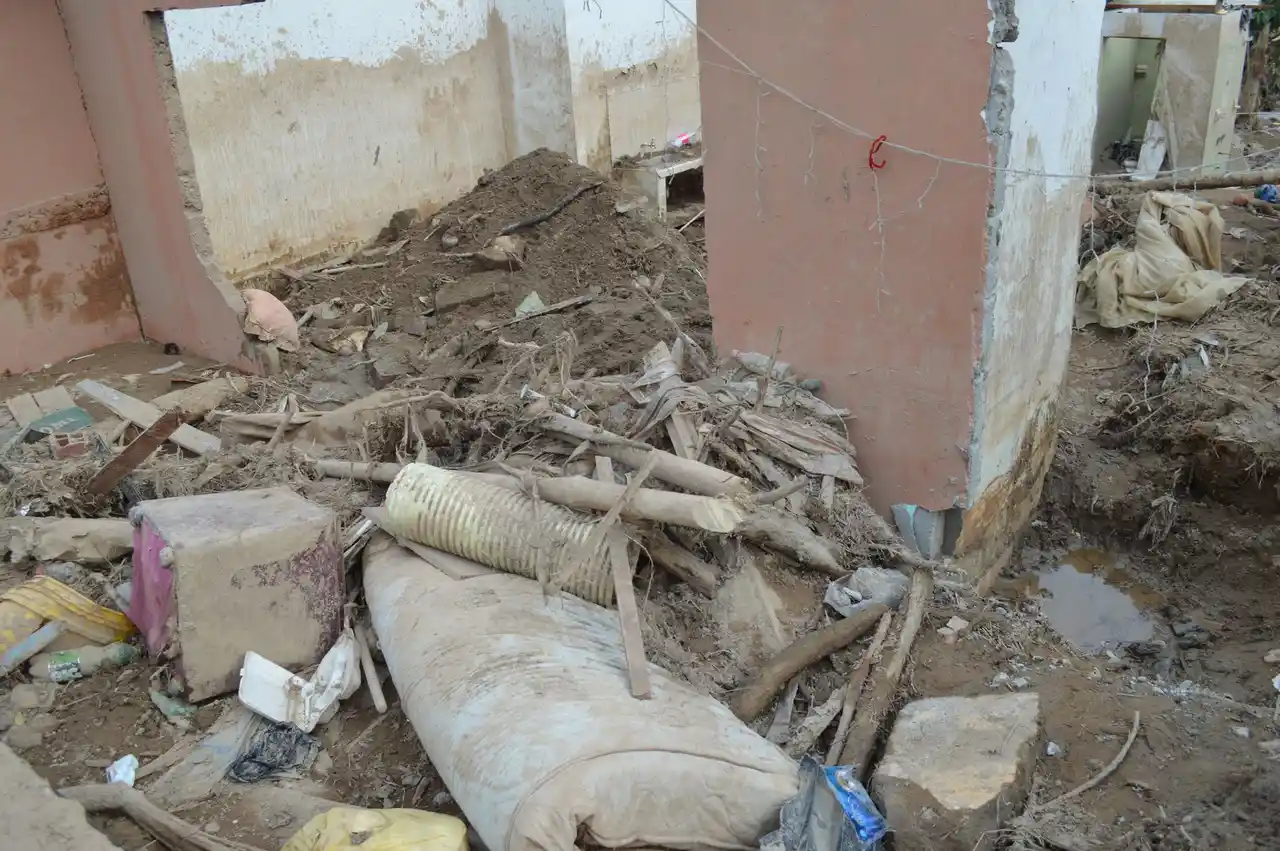
Dehumidifiers and air movers go in, positioned based on the moisture map. We return daily to log readings with a hygrometer and adjust equipment placement. A typical room dries in three to five days; a soaked subfloor can take longer.
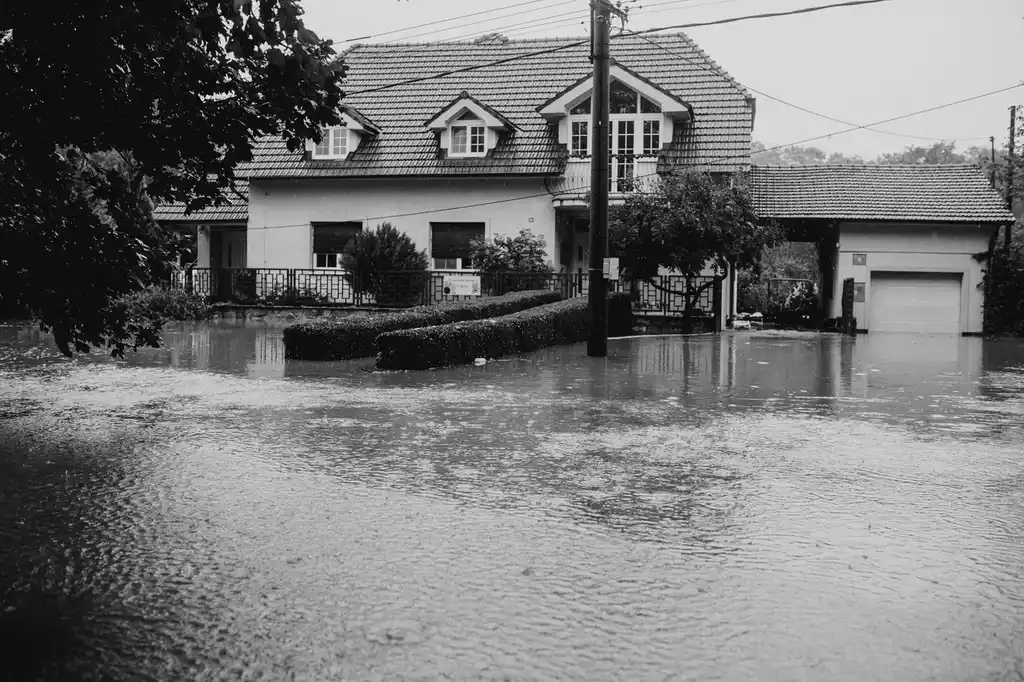
We do not call a job done until readings match a dry standard for the material. You get a final moisture report, photos, and a summary of what was removed and what was saved. If rebuild is needed, we walk you through the next step.
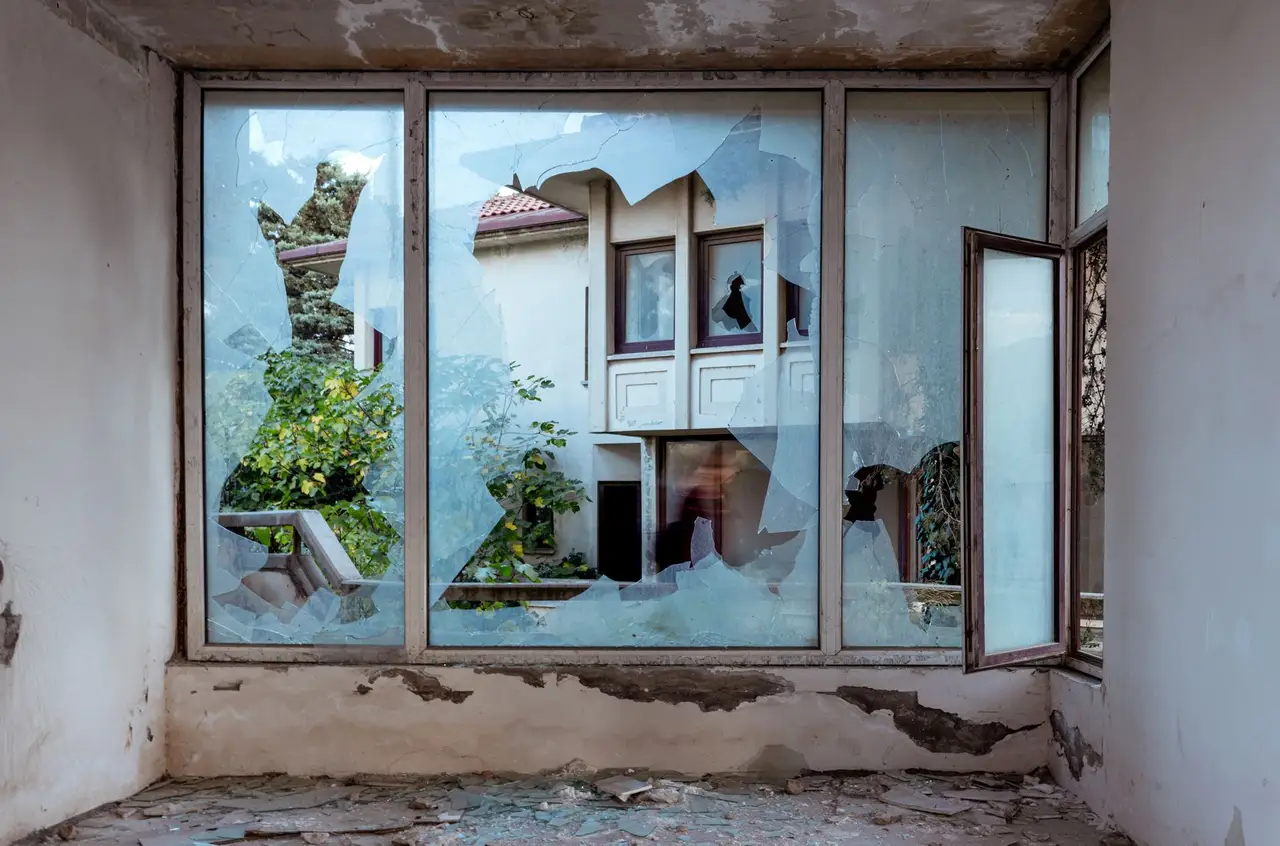
Used to measure moisture content in drywall, wood, and subflooring, and to track relative humidity in the drying chamber. Readings get logged daily so we know when materials are actually dry.
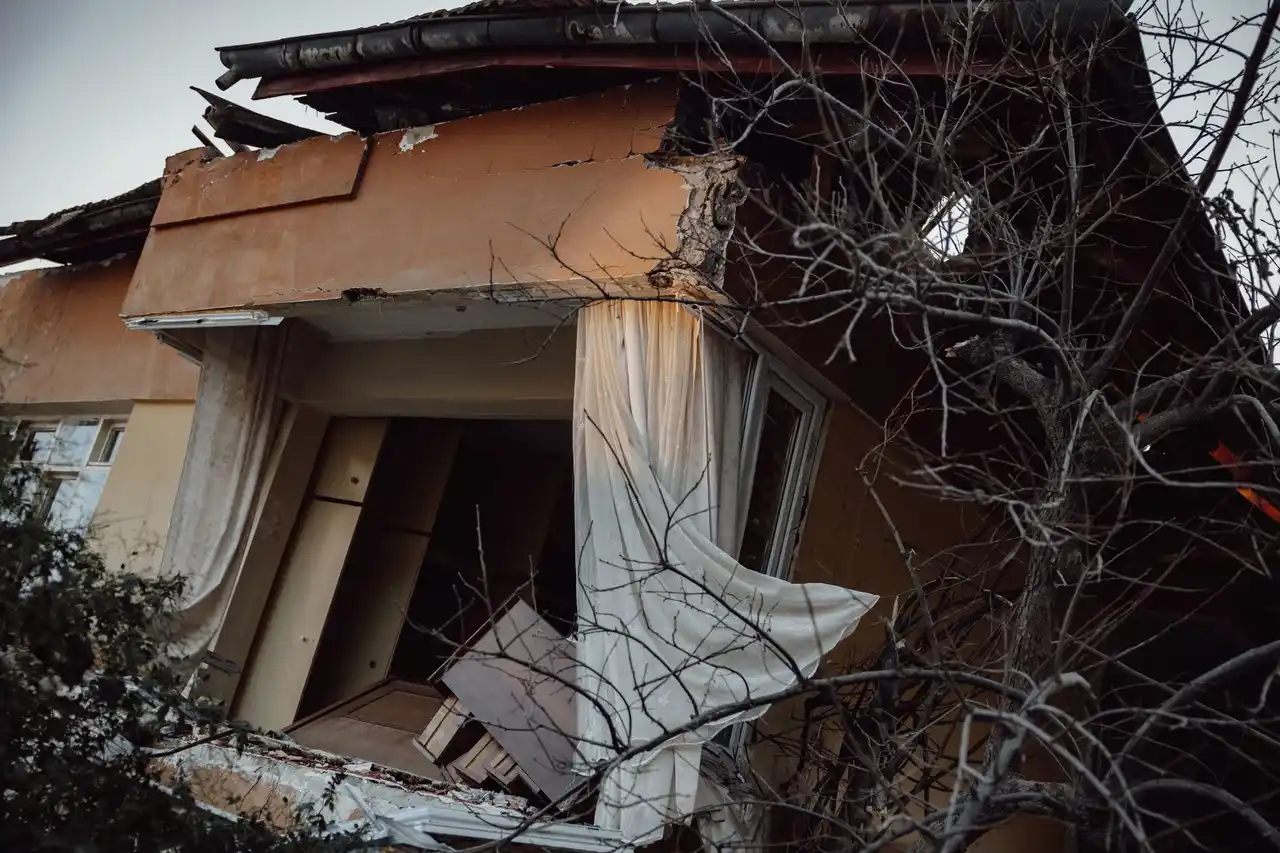
Reveals temperature differences that point to hidden water behind walls and under floors. It is how we find the true edge of a loss before we start cutting.

A small camera that lets us look inside wall cavities and under cabinets without tearing everything open. We use it to confirm moisture and check for mold growth in closed spaces.
Low-grain refrigerant and desiccant units that pull moisture out of the air so wet materials can release water. Sized to the cubic footage of the affected space.
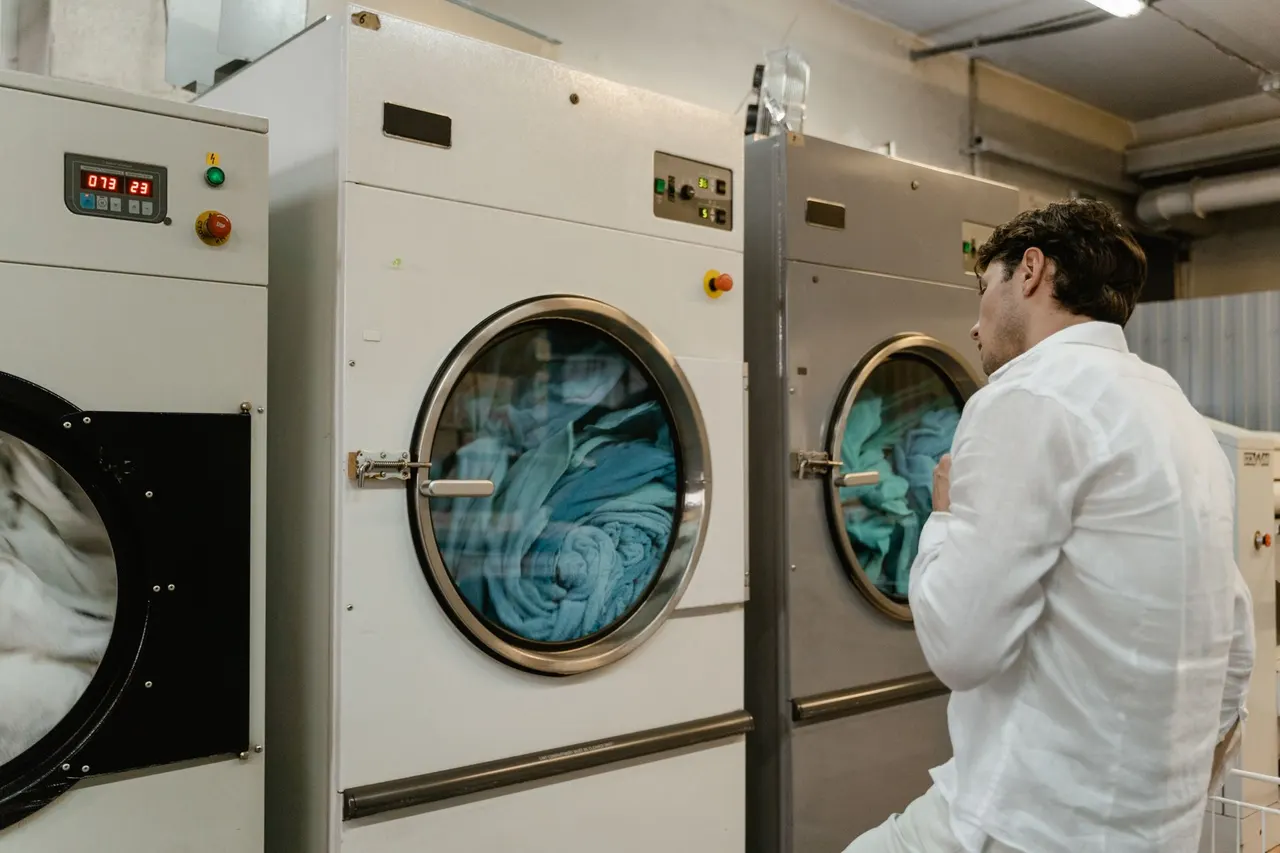
Air movers keep air circulating across wet surfaces to speed evaporation. The extraction unit pulls standing water from carpet, tile, and concrete before drying begins.

Cordless tools for cutting drywall, pulling baseboards, and opening wall cavities during teardown. Fast, clean cuts mean less collateral damage to materials we are saving.
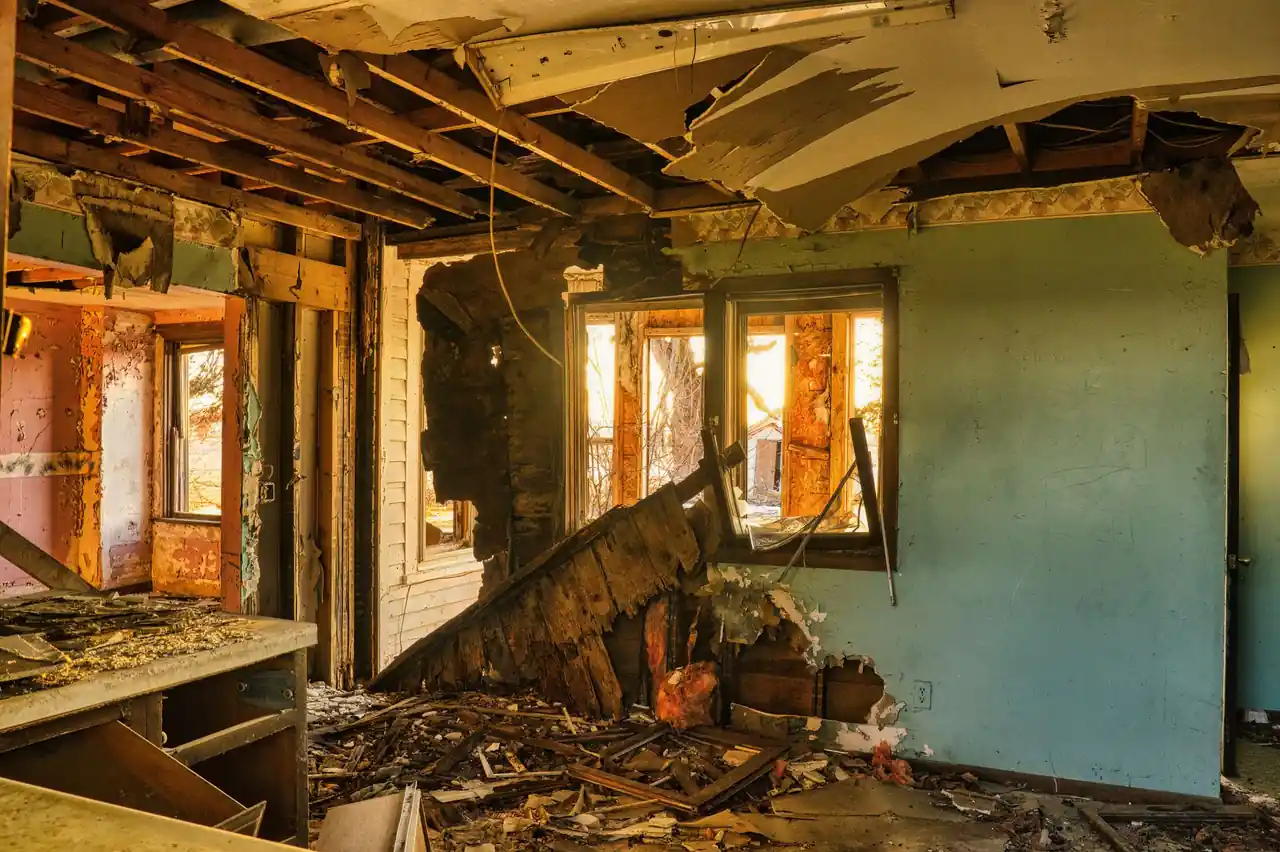
We follow the IICRC S500 standard for water damage restoration, which sets the drying goals, equipment ratios, and monitoring intervals for each material class. It is why we log readings daily instead of guessing when a room is dry.
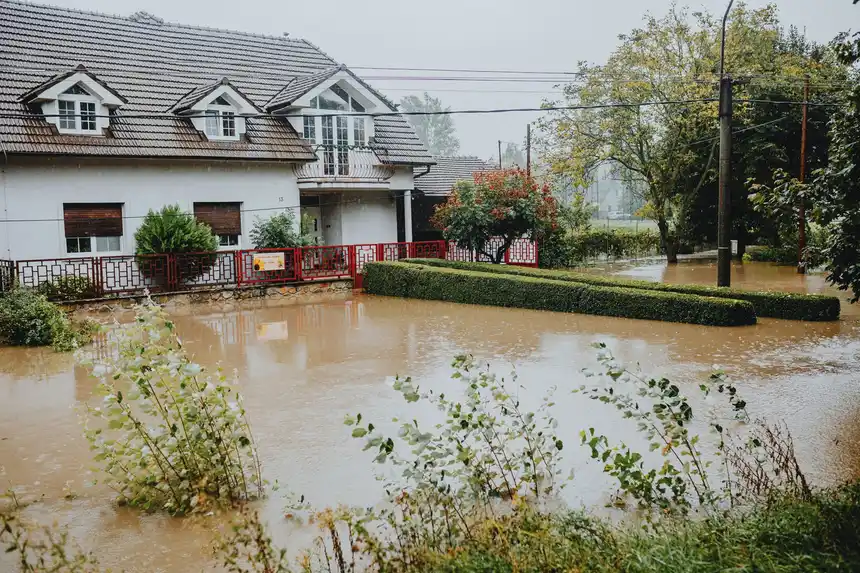
We map the full extent of the water before removing anything. That prevents cutting drywall that could have been saved and prevents leaving wet material behind a finished wall.
We extract the standing water, remove saturated baseboards and drywall below the water line, and set drying equipment. Contaminated storm water gets treated with antimicrobial solution, and we photograph everything for your claim. Floors and walls dry in four to five days, and you have a documented loss to hand your adjuster.
We shut down the supply, extract the carpet and pad, and check the subfloor with a moisture meter. Pad gets replaced, carpet gets dried, and we run dehumidifiers until readings match a dry standard. The bedroom is back in use within three days, with no musty smell and no mold behind the baseboards.
We map the moisture with a thermal imaging camera, extract where water has pooled, and dry the slab and adjacent walls. We document the affected area so your plumber and your adjuster both see the same picture. The slab dries to a verified standard, and you avoid tearing out the whole floor.
We treat it as a contaminated loss, remove porous materials, extract, and apply antimicrobial solution to the framing and subfloor. Drying equipment runs until readings confirm the structure is dry. The bathroom is safe to rebuild, and the contamination is documented for your insurance claim.
Vero beach sits on a barrier island edge with sandy soil, a high water table, and salt air that eats older plumbing. Summer storms drop heavy rain in short windows, and water pushes through garage doors and low windows before it drains. Homes near Central Beach and South Beach deal with storm-driven flooding more often, while inland streets see more slab leaks and pipe bursts in older copper and galvanized lines. We run flood damage cleanup vero beach jobs with that in mind: we check the slab first, because water wicks sideways under tile and can travel 10 to 15 feet from the source. We also check wall cavities behind kitchen and bathroom cabinets, where a slow supply-line leak can sit for weeks. If you need flood water removal and cleanup vero beach FL, we bring the equipment to handle both storm water and clean-water losses, and we document everything for Indian River County adjusters who know this housing stock.
A supply line under the kitchen sink let go overnight and put an inch of water across the kitchen and into the hallway. Carpet padding was soaked, two baseboards were swollen, and the cabinet toe kick was wet.
We extracted the standing water in under two hours, removed the ruined padding and baseboards, and dried the subfloor and cabinet base over four days. Final readings matched a dry standard, and the cabinets were saved.
Check supply lines under sinks twice a year and replace braided lines every five years. A $15 line is cheaper than a $3,000 floor.
Heavy rain pushed water through a ground-floor slider and soaked the living room carpet and the bottom 12 inches of drywall. The unit sat empty for two days before anyone noticed.
We extracted, cut out the saturated drywall, removed the pad, and treated the cavities with antimicrobial solution. Drying ran five days. The unit was back on the rental market within two weeks.
Keep door sweeps and threshold seals in good shape, and check the unit after every named storm. Early extraction is the difference between a carpet clean and a full floor replacement.
A ground-floor bathroom backed up after a heavy rain event, leaving contaminated water across the tile and into the adjacent closet. The baseboards and bottom of the drywall were saturated.
We removed the contaminated materials, extracted, and applied antimicrobial solution to the framing and subfloor. Drying ran six days with daily readings. The bathroom was ready for rebuild with a clean, documented scope.
Have your main line jetted every 18 to 24 months if you have mature trees nearby. Roots are the most common cause of backups in this area.
Water finds the path of least resistance, and in this housing stock that usually means under floors and inside wall cavities. Here are the losses we see most and how we handle them.
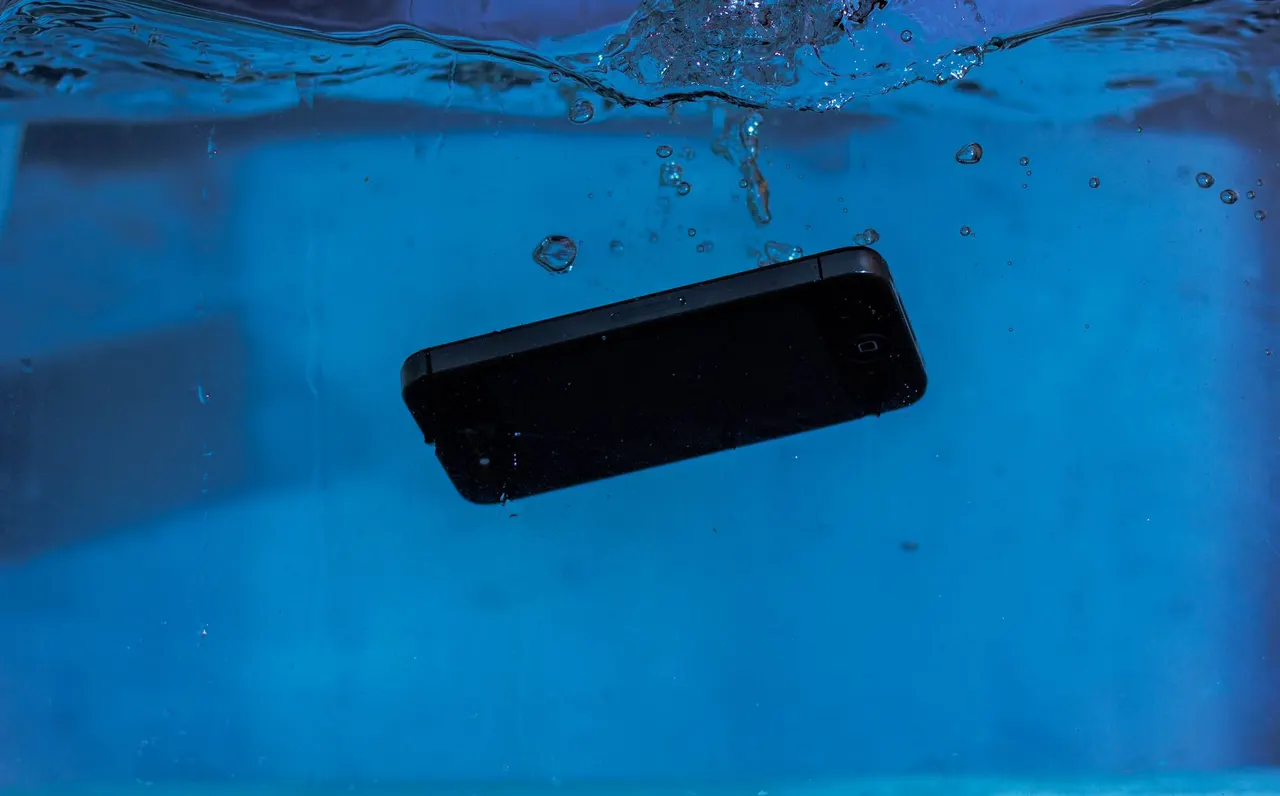
We extract, cut out saturated drywall below the water line, remove ruined insulation, and treat cavities with antimicrobial solution. Drying equipment runs until readings hit a dry standard, and we document the whole loss for your adjuster. Salt-laden water soaks drywall, insulation, and subflooring fast, and it carries contaminants that feed mold growth within a day or two.
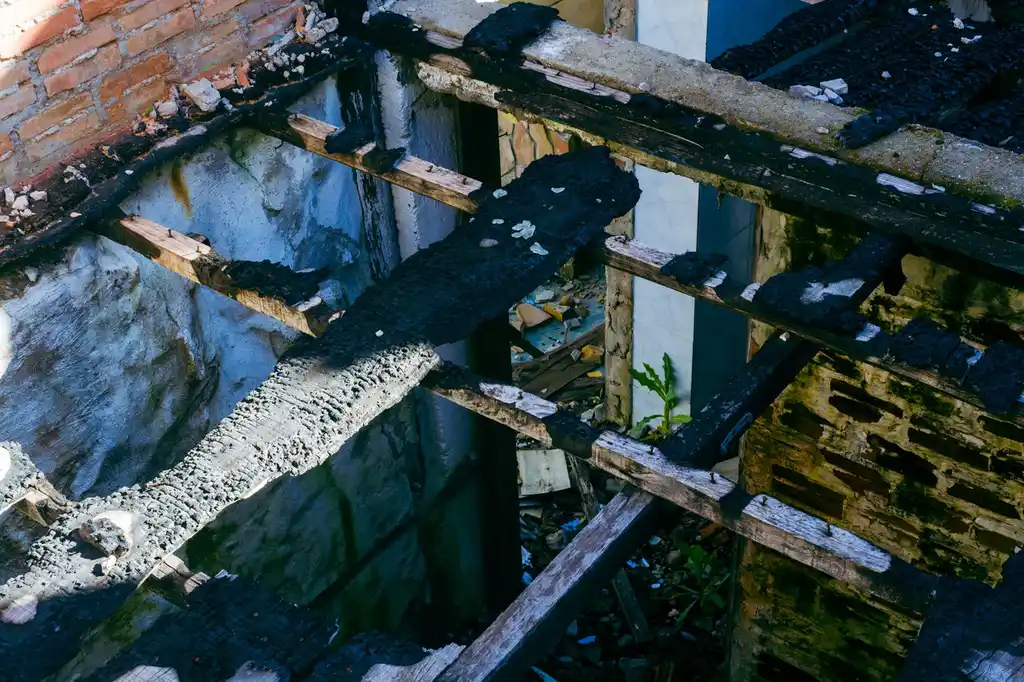
We use a thermal imaging camera and boroscope to trace the water path, then extract and dry the affected cavities. Baseboards and drywall come out where needed, and we log moisture readings daily until the structure is dry. Water travels along framing and under flooring, so the visible puddle is often a fraction of the actual loss. Left alone, it warps hardwood and rots subflooring.
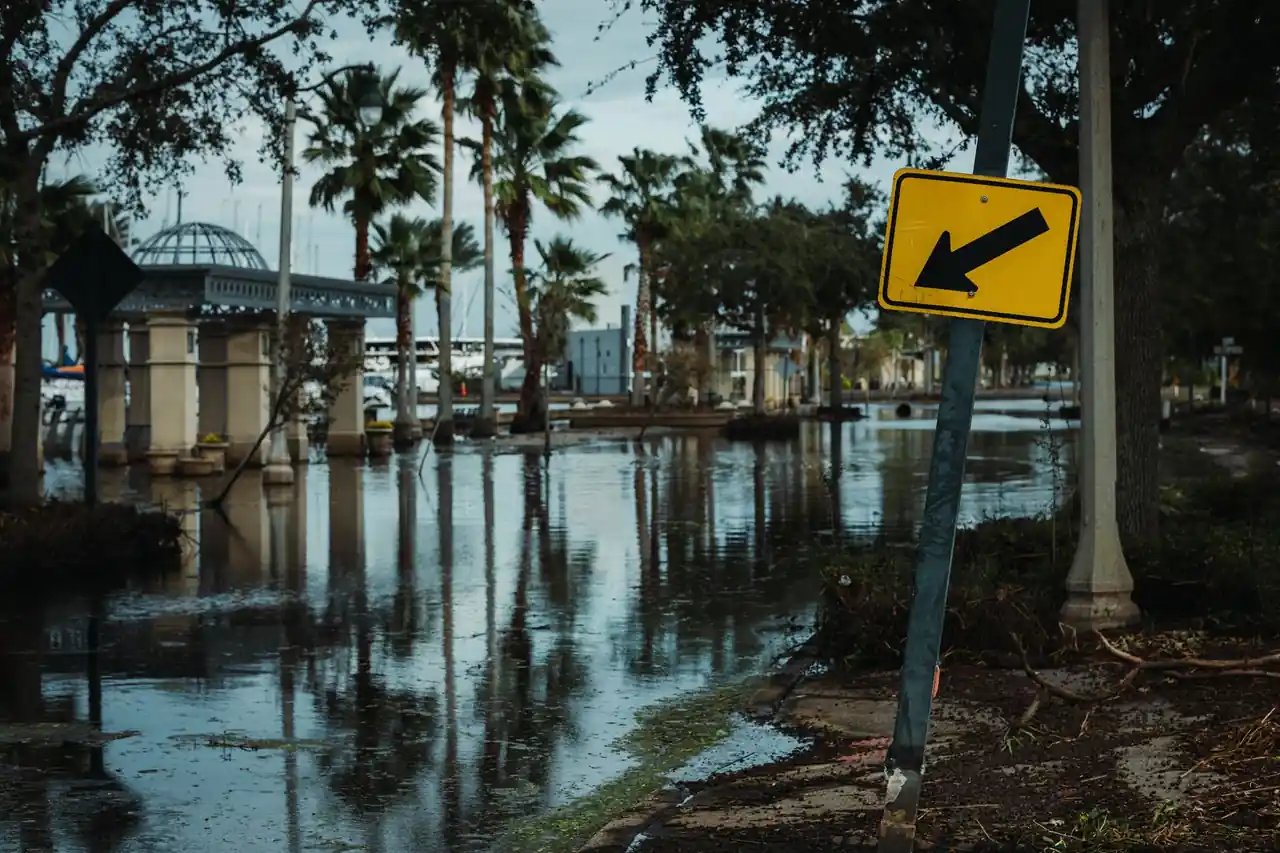
We remove contaminated materials, extract, and treat the area with antimicrobial solution. Drying follows with dehumidifiers and air movers, and we document the scope clearly so your insurance claim reflects the contamination level. Category 3 water carries bacteria and requires more aggressive removal. Porous materials that stay in place become a health problem and a repeat loss.
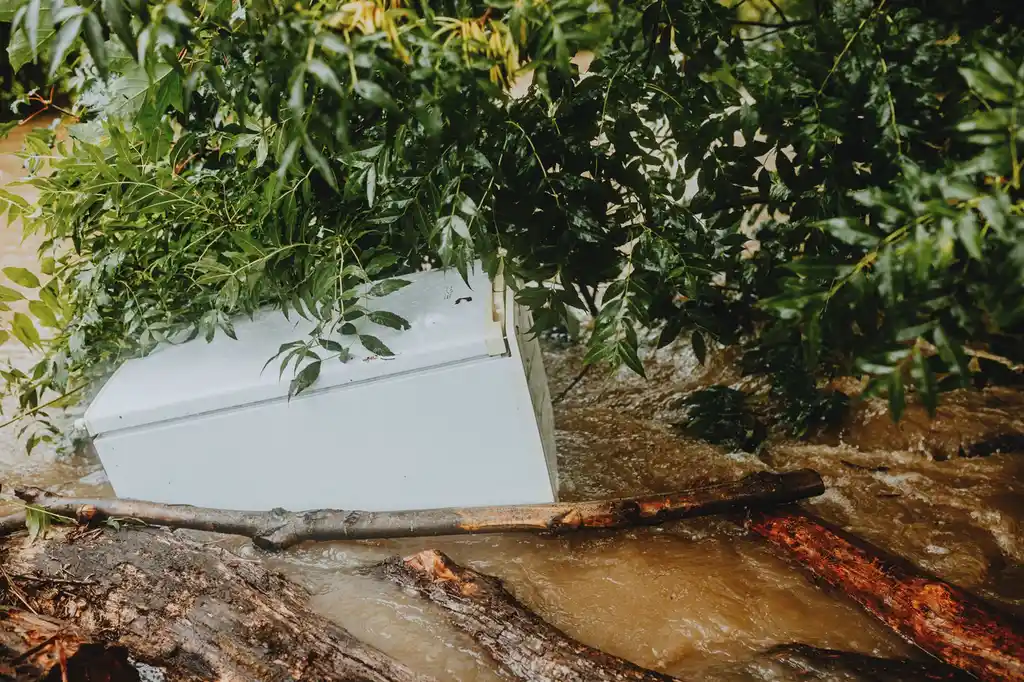
We pull the appliance, extract standing water, and check the subfloor with a moisture meter. Saturated sections get dried in place where possible, and we tell you plainly what can be saved and what has to be replaced. A slow leak under a cabinet or behind a washer can soak subflooring for weeks before it shows, and by then structural rot has started.
We arrive with a water extraction unit and pull standing water before it wicks higher into drywall. Most residential rooms are extracted in two to four hours, and we set drying equipment the same visit so the clock stops ticking on secondary damage.
A moisture meter, thermal imaging camera, and hygrometer tell us exactly where water sits behind walls and under floors. We check the slab, the wall cavities, and the ceiling before we call anything dry, so nothing gets closed up wet.
Photos, moisture readings, and a written scope go to your adjuster. We document affected materials room by room, which speeds up flood damage cleanup vero beach claims and cuts back-and-forth about what was wet and what was replaced.
We apply antimicrobial solution to affected framing and cavities after extraction. On jobs where we start within the first 24 hours, mold growth is far less likely to take hold, which saves you a second round of demolition and remediation later.
Typical 2026 pricing for flood cleanup in this area runs $1,200 to $4,500 for most residential losses, with small single-room jobs starting near $800 and whole-floor storm losses going higher. Extraction, equipment days, and material removal drive the number. We give you a written scope before we start, bill your insurance directly on covered claims, and tell you upfront what your out-of-pocket will be. No surprise line items at the end.
What your estimate is based on
$800 - $8,000 depending on scope The cost of drying a structure properly is almost always less than replacing flooring, drywall, and cabinetry later. Fast extraction and verified drying protect the materials you already have.
Clear records you can keep and share.
Room-by-room list of what is wet and what is removed
Daily readings showing the structure drying
Before, during, and after images for your claim
Two things decide how much of your home survives a water loss: how fast water comes out and how thoroughly materials get dried. Both are controllable.
Mold growth can begin within 24 to 48 hours on wet drywall and framing. Extraction started the same day limits how far water wicks and how much material has to be removed.
A floor that feels dry can still hold moisture an inch down. We use a moisture meter and hygrometer to confirm readings against a dry standard before equipment comes out.
Carpet padding and saturated insulation almost always get removed because they hold water and feed mold. Baseboards and drywall depend on how high the water climbed and how long it sat.
Outside these areas? Call and we will tell you if we can reach you. (772) 905-3839
Most residential flood cleanup jobs in vero beach FL run $1,200 to $4,500, with small single-room losses starting near $800 and whole-floor storm losses climbing past $8,000. Extraction, equipment, and material removal drive the number. If the loss is covered, your insurance adjuster usually pays us directly, and you are responsible for your deductible.
It includes water extraction, removal of ruined carpet padding, insulation, and baseboards, antimicrobial treatment, and structural drying with dehumidifiers and air movers. We map moisture with a thermal imaging camera and moisture meter before and after. You get daily readings and a final moisture report. Rebuild work like new drywall and paint is a separate phase we can quote.
Extraction and teardown usually take one day. Drying typically runs three to five days for a standard room and up to seven or more when subflooring or wall cavities are saturated. We check readings daily and do not pull equipment until materials hit a dry standard. Rebuild, if needed, adds time after drying is verified.
Yes. Storm flood cleanup in vero beach FL is a big part of what we do, especially after tropical systems push water through doors, garage walls, and low windows. We extract, remove saturated materials, and dry the structure. Storm losses often involve contaminated water, so we treat affected surfaces with antimicrobial solution and document everything for your claim.
Standing water gets worse every hour it sits. Call (772) 905-3839 and we will dispatch a crew to extract, dry, and document your loss. Same-day service across Indian River County, with direct insurance billing on covered claims.
If you have water where it should not be, call (772) 905-3839. We answer emergency calls and can usually have a crew at your door within a couple of hours for active leaks and flooding. For non-emergency work, call during business hours and we will schedule a walkthrough. You can also email info@verobeachdamagefixpros.com.