Written scope
What is wet and what comes out
When water is spreading across your floor, emergency water removal vero beach FL homeowners call first is the crew that shows up, shuts off the source, and pulls the water out before it reaches your walls. We handle emergency water extraction in vero beach for burst pipes, slab leaks, appliance overflows, and storm flooding, then dry the structure with commercial equipment. Every hour counts, so call (772) 905-3839 now.

Every emergency water removal visit covers source control, extraction, drying setup, and daily monitoring. Demolition beyond what is wet, reconstruction, and content cleaning are separate scopes, and we tell you upfront which side of the line each item falls on.
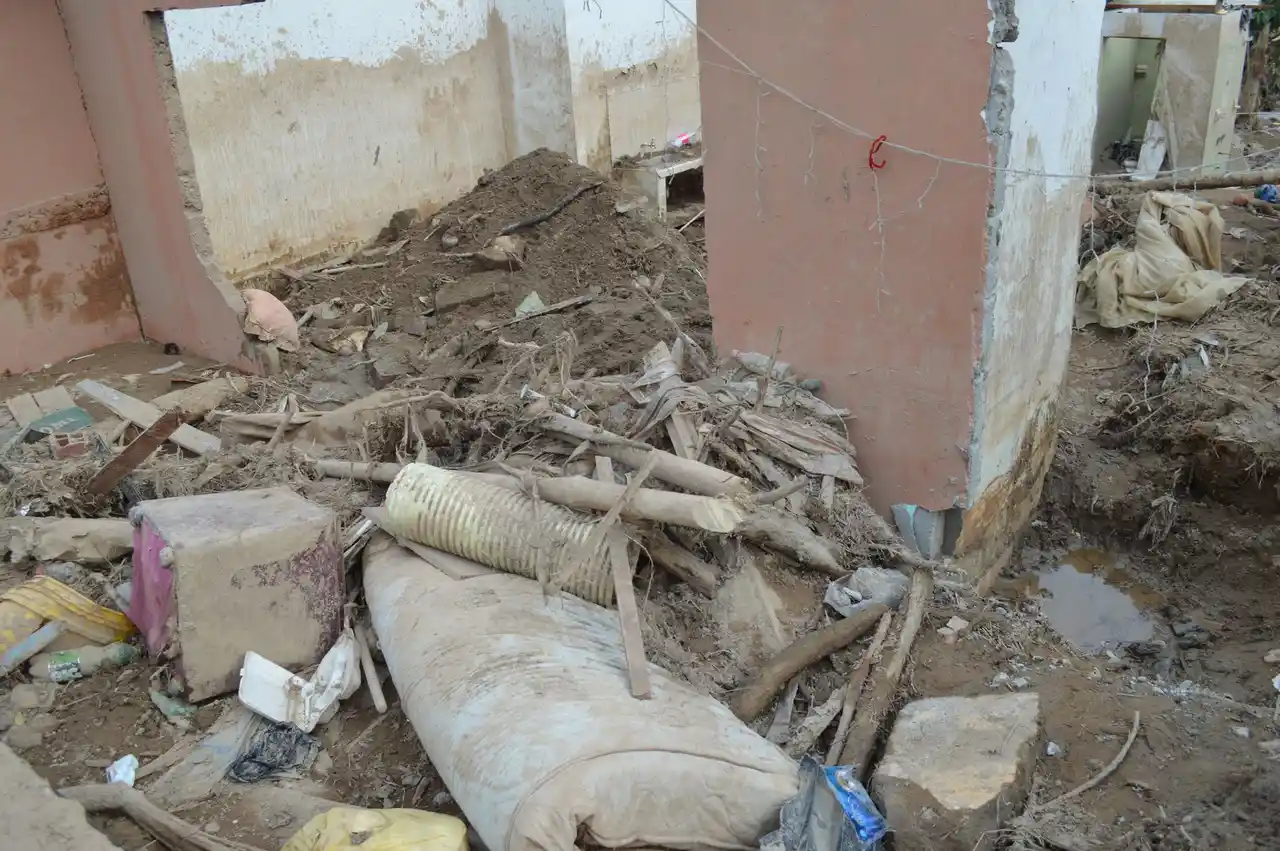
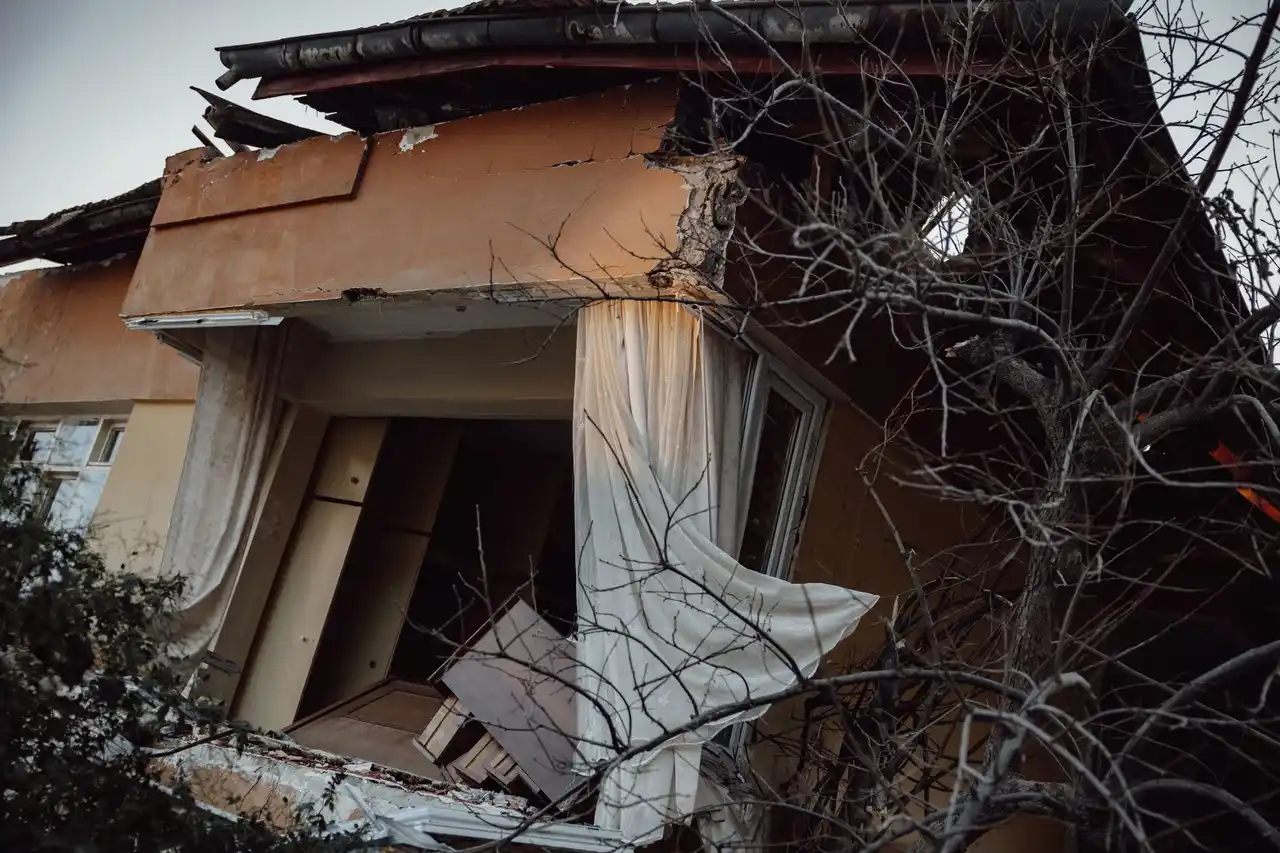
Homes in vero beach deal with slab leaks, appliance overflows, and roof leaks after summer storms. We extract the water, pull saturated padding, and dry the structure until the moisture meter says it is done.
Commercial water losses cost revenue every hour the doors are closed. We work around your schedule, extract and dry the affected areas, and document the job for your property manager and carrier.
Emergency water removal vero beach FL is the process of stopping an active water source, extracting standing water, and drying the building structure before moisture spreads into walls, subflooring, and insulation. It is not a shop-vac job. We use truck-mounted water extraction units and portable extractors to pull water from carpet, carpet padding, and hardwood, then set Dri-Eaz air movers and dehumidifiers to dry the framing. A moisture meter and thermal imaging camera tell us where water hides behind drywall, and a hygrometer confirms when the structure is actually dry, not just dry to the touch.
In vero beach, most calls come from three places: a pipe burst under a slab, a roof leak that shows up after a heavy rain band, and an appliance overflow from a washing machine or water heater. Indian River County's humid climate slows natural drying, so mold growth can start on wet drywall within 24 to 48 hours. That is why we treat every emergency water removal in vero beach Florida as a clock, not a checklist. If you search emergency water extraction near me vero beach at 2 a.m., you get a live person, not a voicemail.
Water comes out fast, the structure dries slow, and the readings decide when we are done.
You call, we answer, and we walk you through shutting off the water if you have not already. From there, the job follows five steps, and we tell you where you are in the process at every one.
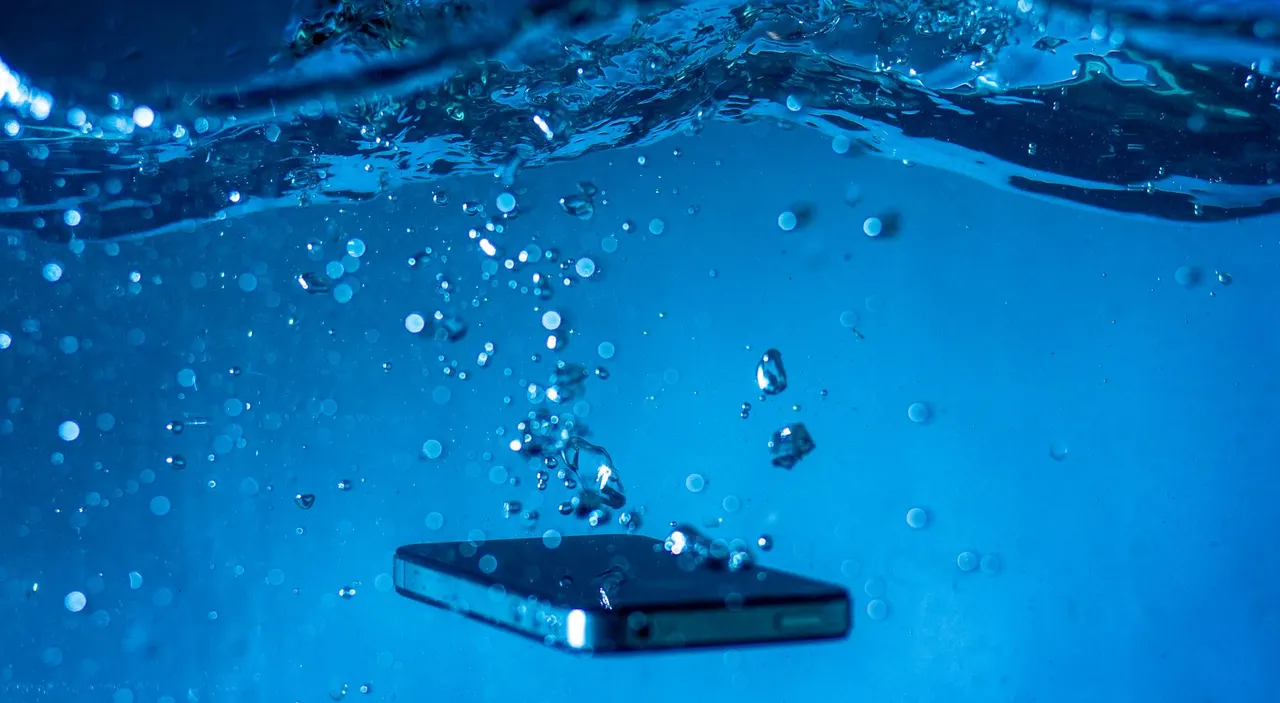
First we find and stop the water. That might mean shutting the main valve, capping a pipe burst, or isolating a slab leak. If the source is a roof leak, we tarp the area before anything else. This step takes 10 to 30 minutes and prevents the loss from getting bigger while we work.
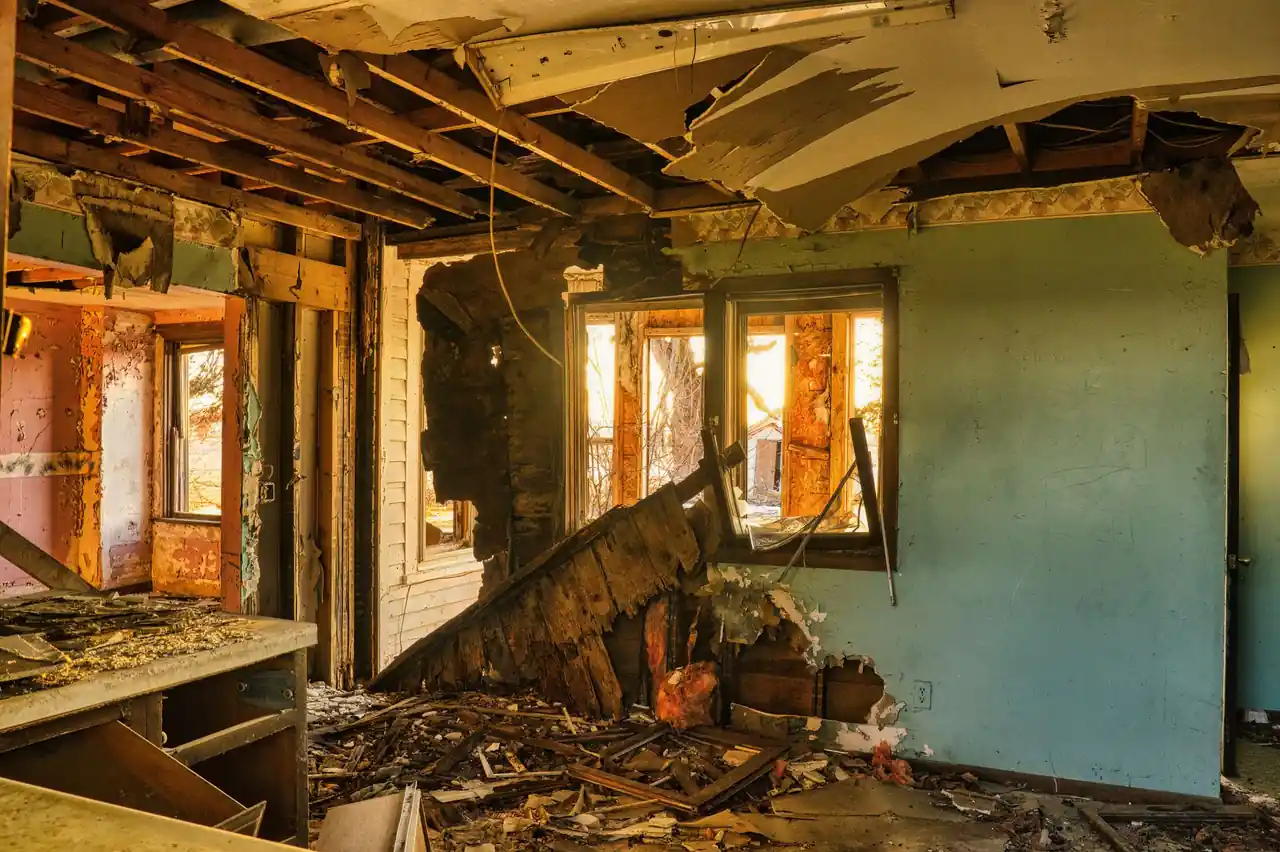
We walk the affected area with a moisture meter and thermal imaging camera, then check behind walls with a boroscope where we suspect hidden water. You get a clear picture of what is wet, what is not, and what has to come out. This is also when we photograph everything for your insurance file.
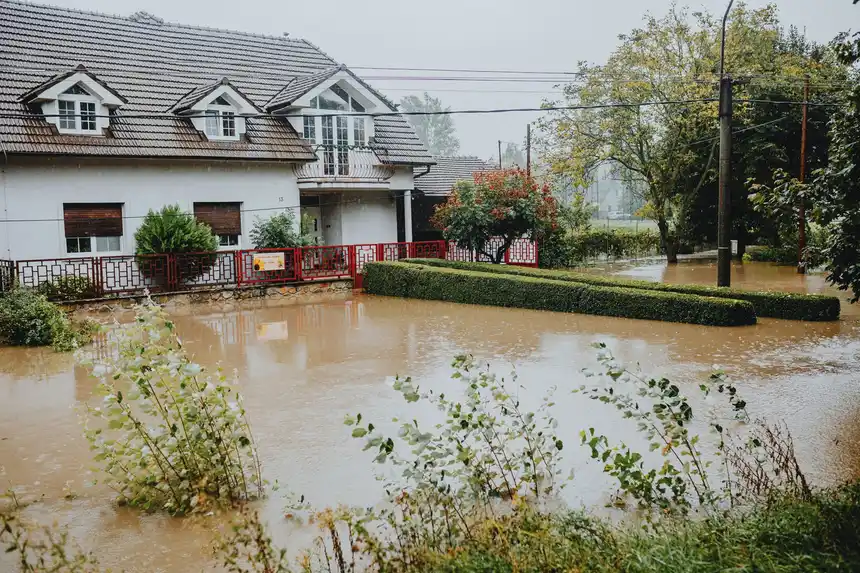
Truck-mounted water extraction units pull standing water from carpet and hard floors, and portable extractors reach closets, cabinets, and tight corners. Carpet padding that is saturated gets removed and bagged. This is the heavy-lifting phase, and it usually takes two to four hours for a typical room.
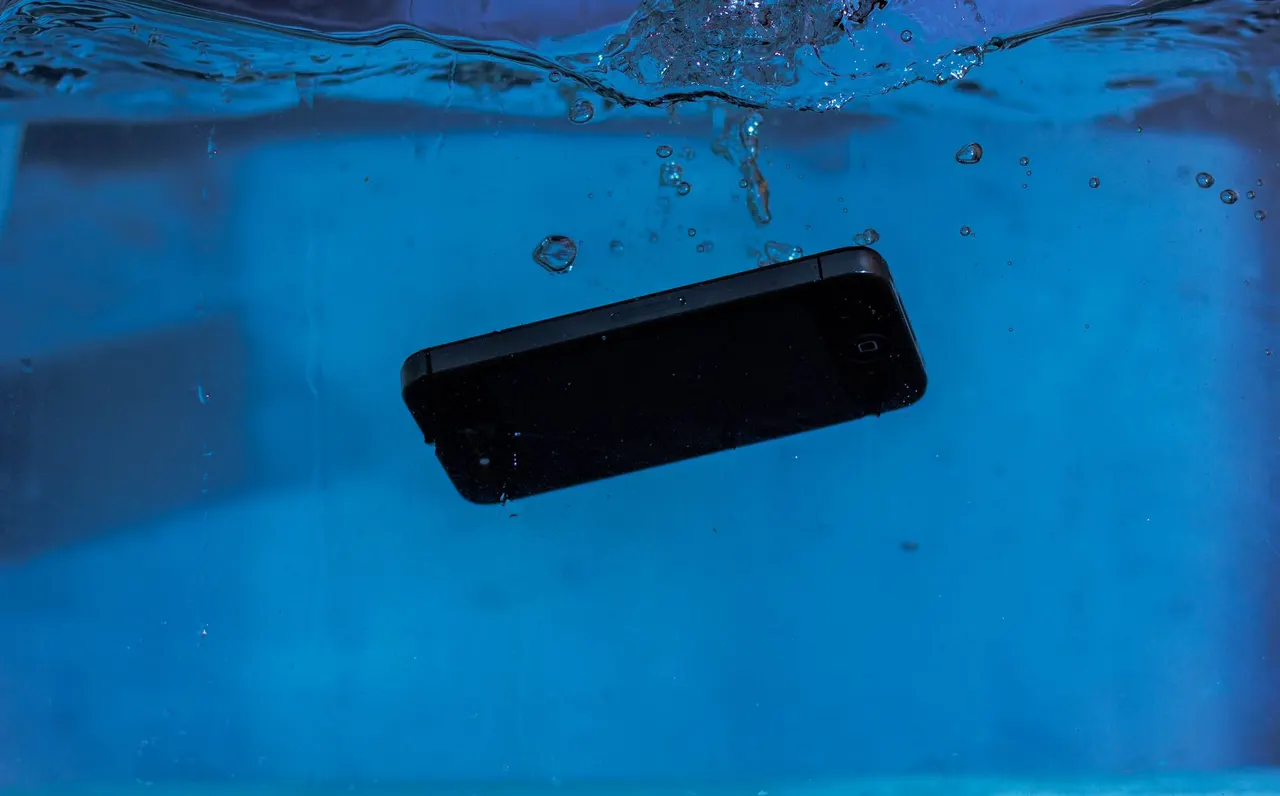
We set Dri-Eaz air movers and Phoenix Restoration Equipment dehumidifiers to pull moisture out of the air and the structure. Drywall, baseboards, and subflooring get monitored daily with a hygrometer. The equipment runs until readings match dry standard, which is typically three to five days for a standard water loss.
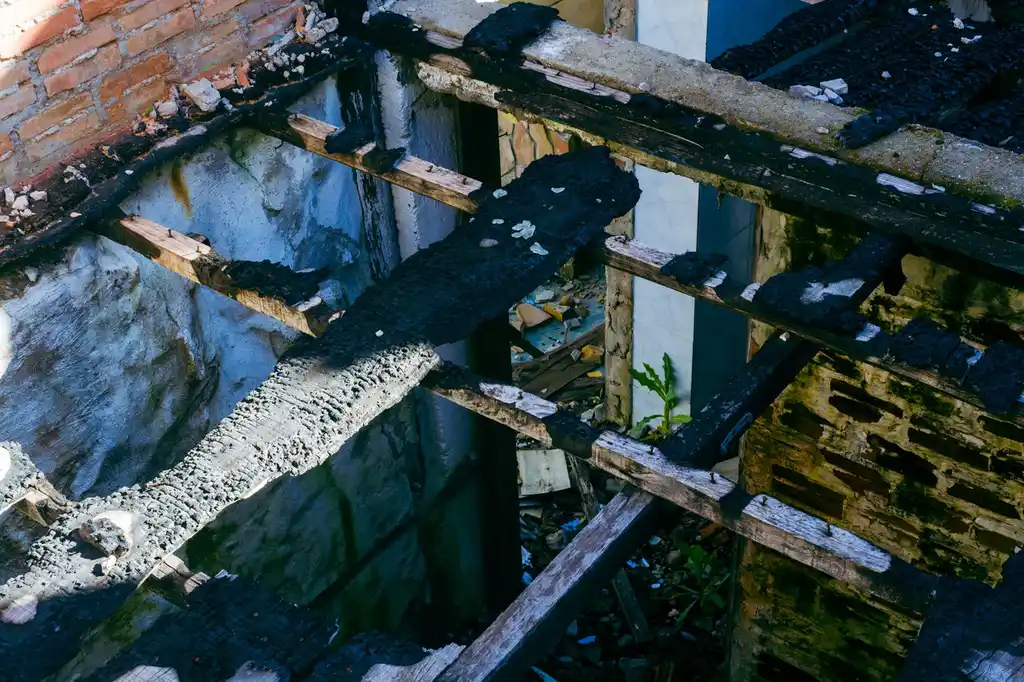
On the final day, we take moisture readings across every affected material and compare them to the dry standard we recorded at the start. You get the numbers, the photos, and a written summary. If anything is still reading wet, the equipment stays until it is not.
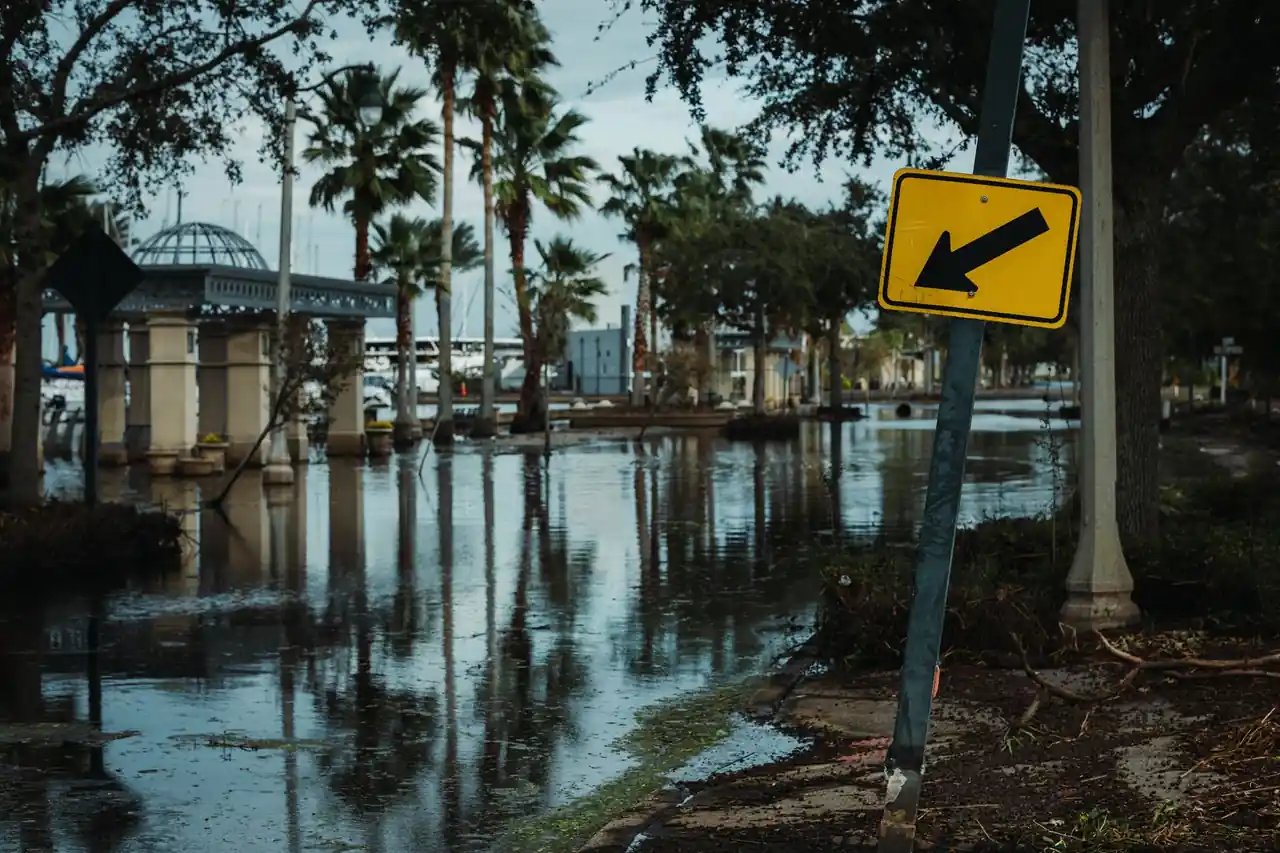
Pulls large volumes of standing water from carpet and hard floors fast. This is the first piece of equipment running on most jobs, and it is what stops the water from spreading further.
High-velocity air movers that evaporate moisture from wet surfaces and push it into the air where the dehumidifiers can grab it. We place them based on a moisture map, not by guesswork.
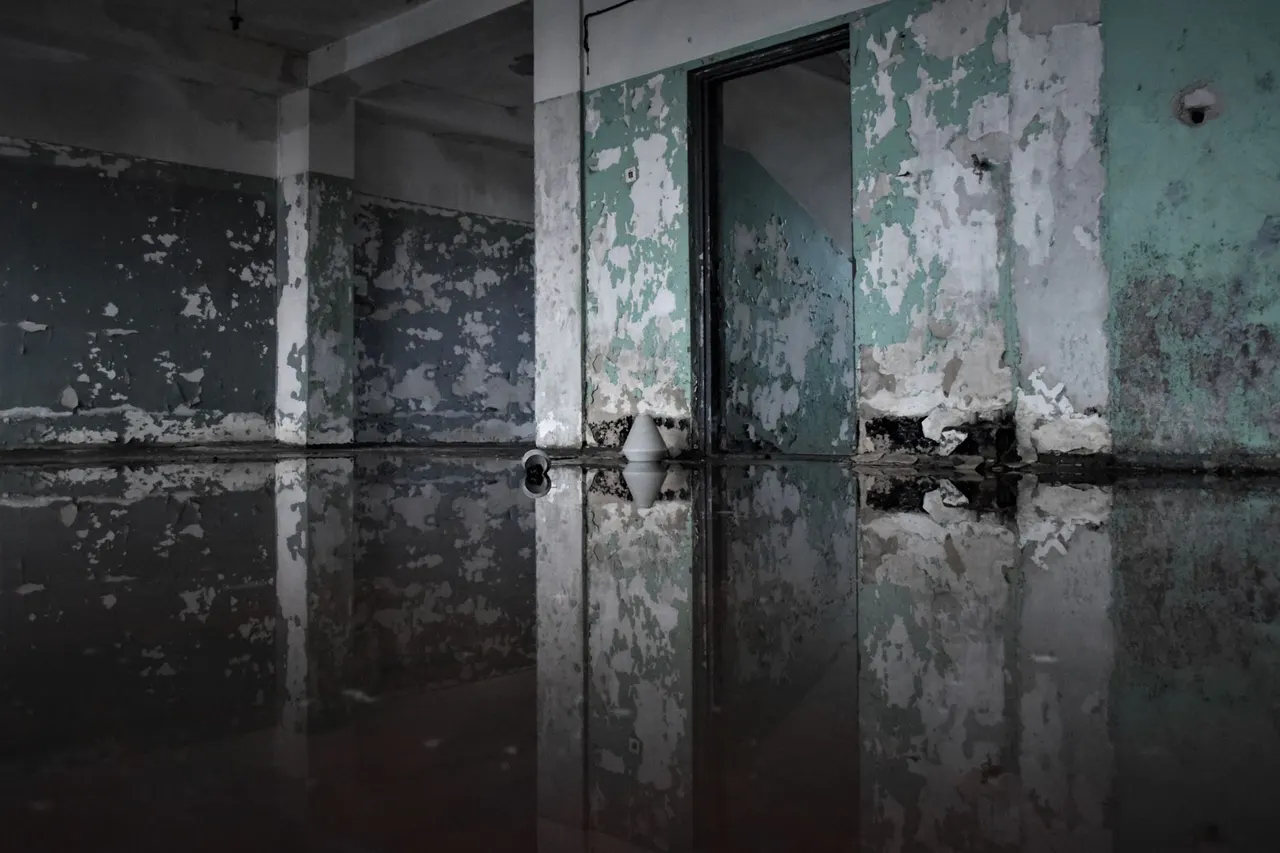
Pull moisture out of the air so the structure can dry. Without dehumidification, air movers just move wet air around the room and the drying stalls.
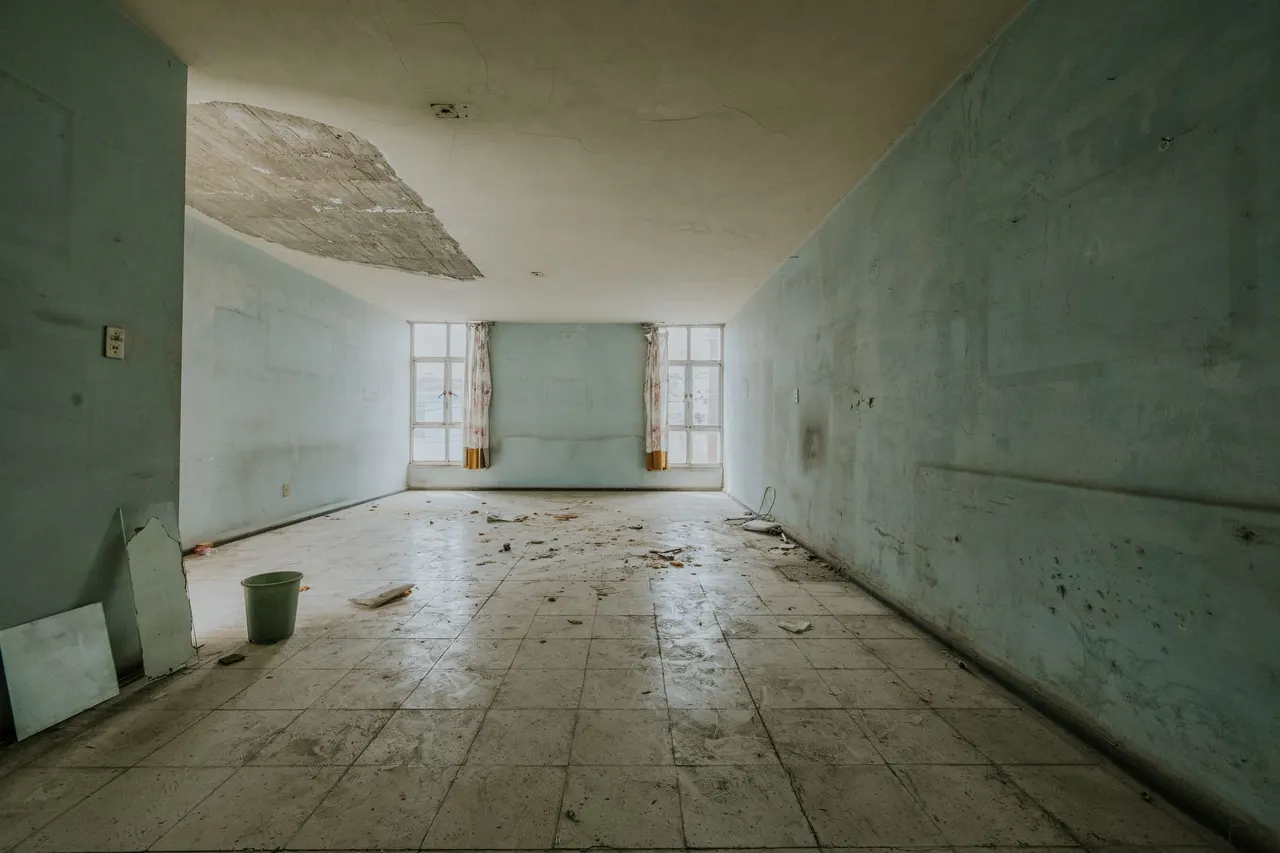
Shows temperature differences behind walls and under floors, which is how we find water that is not visible. It is the tool that catches the hidden leak before it becomes a mold problem.
A moisture meter reads the moisture content of wood, drywall, and subflooring. A hygrometer reads the humidity in the air. Together they tell us when the structure is actually dry.
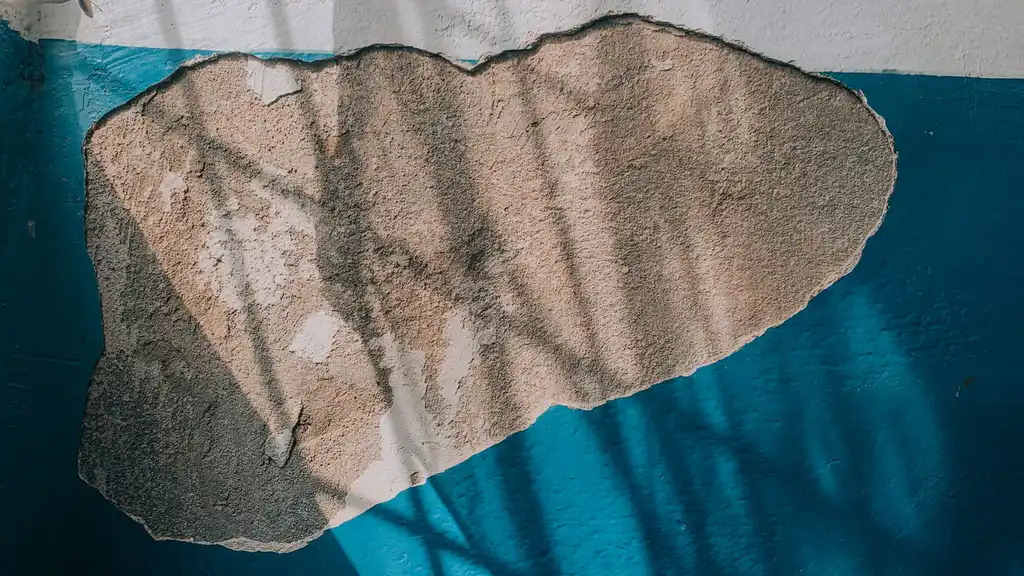
A small camera on a flexible probe that lets us look inside wall cavities without cutting a large hole. We use it to confirm whether insulation and framing are wet before deciding what comes out.
We answer the phone, walk you through shutting off the main valve, and dispatch a crew with extraction equipment. On arrival we extract standing water, pull the wet carpet padding, and set air movers to dry the subfloor and the wall cavity behind the cabinets. Standing water is gone within a few hours, and the structure dries in three to four days with documented readings for your claim.
We tarp the roof to stop the water coming in, cut out the wet drywall and insulation, and set drying equipment in the ceiling cavity. A moisture meter confirms when the framing is dry before the patch is closed up. The leak is stopped, the wet materials are removed, and the ceiling cavity dries without mold growth.
We shut off the supply, extract the standing water, and pull the saturated carpet padding in the closet. Baseboards come off where water has wicked up, and we set dehumidifiers to pull moisture out of the air. The closet and hallway dry in three to five days, and the carpet is saved because the padding came out fast.
We extract the carpet, remove the saturated padding, and dry the slab and baseboards with directed air movement. A moisture meter tells us when the concrete and framing are back to dry standard. The unit dries without demolition beyond the padding, and the documented readings support the HOA insurance claim.
vero beach sits on a barrier island and a mainland side, and water behaves differently on each. On the island, slab leaks and salt-air corrosion on supply lines are common, and condo buildings in South Beach often have shared walls where a leak in one unit reaches the next before anyone notices. On the mainland side, roof leaks after summer rain bands and washing machine overflows in older homes are the calls we get most. Indian River County's humidity means a wet structure does not dry on its own, even with the windows open. We run dehumidifiers longer here than crews do in drier parts of the state, and we check readings daily instead of every other day. If you are searching for after hours emergency water removal vero beach FL, we answer the phone and dispatch the same crew we would send at noon. The 32963 and 32960 ZIP codes are our most common service area, and we know the building stock on both sides of the bridge.
A supply line under the kitchen sink let go overnight. Standing water covered the tile, spread into the hallway carpet, and wicked up the bottom of the baseboards. The homeowner found it at 6 a.m. with water halfway to the living room.
We extracted the standing water, pulled the saturated carpet padding, and set air movers and a dehumidifier. Baseboards came off where water had wicked up. By day four, moisture readings in the subfloor and framing were back to dry standard, and the carpet was saved.
Check supply lines under sinks and behind appliances every six months, and replace braided lines every five years. A $12 line is cheaper than a water removal job.
A slab leak in a ground-floor unit soaked the carpet and the baseboards were wicking water up the wall. The homeowner noticed a musty smell before they noticed the wet carpet, which usually means the leak has been running for a while.
We extracted the carpet, removed the saturated padding, and dried the slab and baseboards with directed air movement. A moisture meter confirmed the concrete and framing were back to dry standard in five days, and the documented readings supported the HOA insurance claim.
Watch for unexplained spikes in your water bill and warm spots on the floor. Both are early signs of a slab leak, and catching it early keeps the damage to one room.
A roof leak after a heavy rain band left a wet patch on the ceiling and water in the attic insulation. The homeowner had a bucket under the drip but did not realize the insulation was saturated and the ceiling cavity was holding moisture.
We tarped the roof, cut out the wet drywall and insulation, and set drying equipment in the ceiling cavity. A moisture meter confirmed the framing was dry before the patch was closed up. The ceiling was repaired and painted, and the attic insulation was replaced.
Have the roof inspected after any storm that brings high wind or heavy rain. A tarp and a call the same day is cheaper than a ceiling rebuild.
Most water damage we see started small and got ignored for a day. These are the calls we get most often in vero beach, and what happens when they are handled fast.
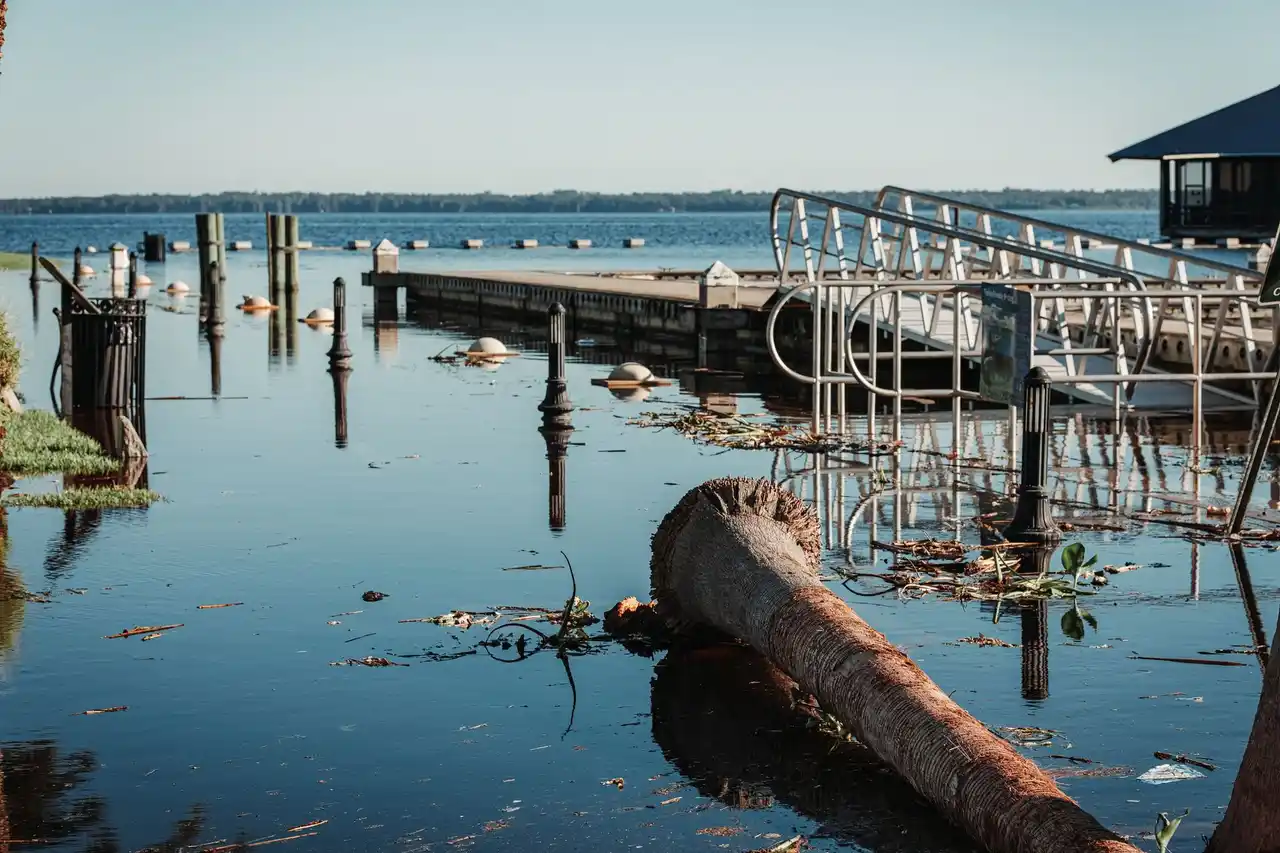
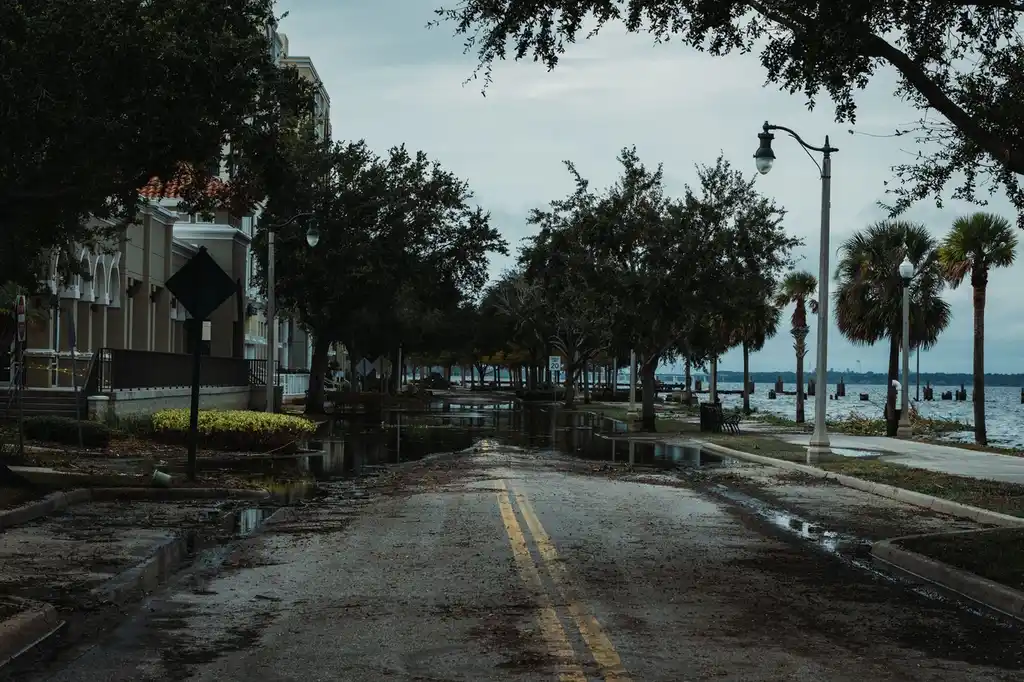
We shut off the source, extract standing water, and use a thermal imaging camera to find water hidden behind the wall. Wet drywall and insulation come out, the cavity gets dried with air movers, and we document the whole sequence for your claim. Water wicks into drywall and insulation within hours, and mold growth can start in 24 to 48 hours. Subflooring that stays wet for days often has to be replaced.
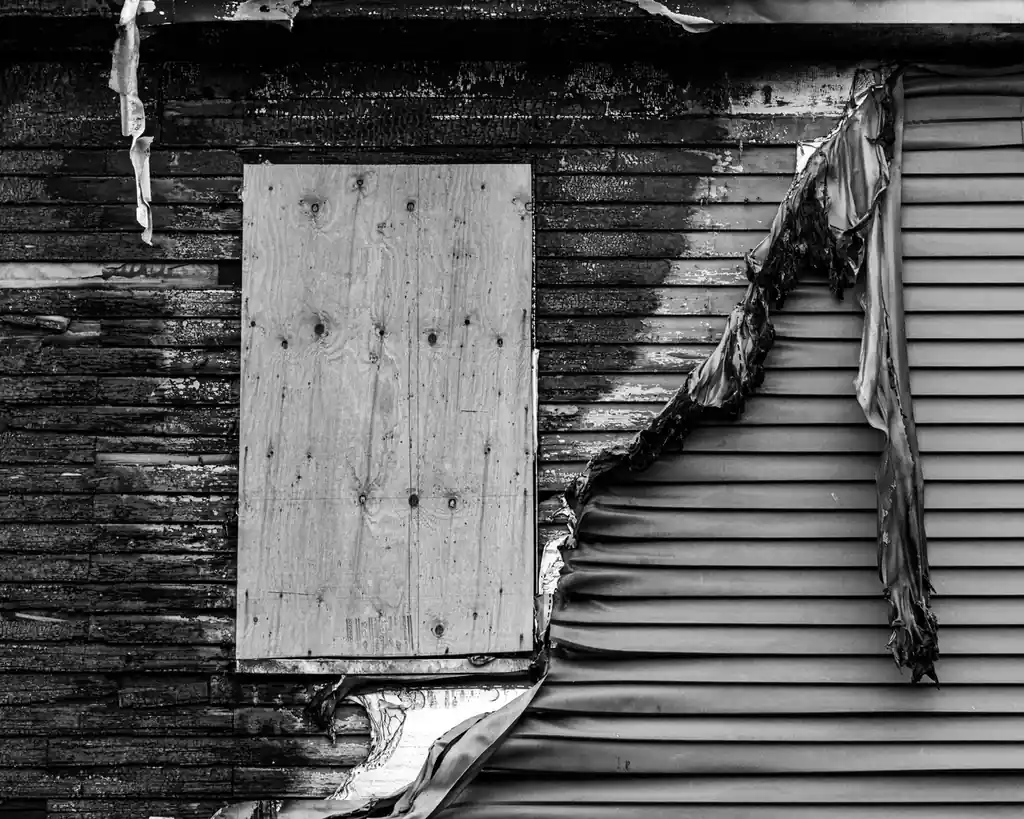
We extract the carpet, pull the saturated padding, and dry the slab and baseboards with directed air movement. A moisture meter tells us when the concrete and framing are back to dry standard, and we document the readings daily. Slab leaks are slow and quiet. By the time the carpet feels wet, the baseboards and bottom plate are often saturated, and the moisture has nowhere to go but up the wall.
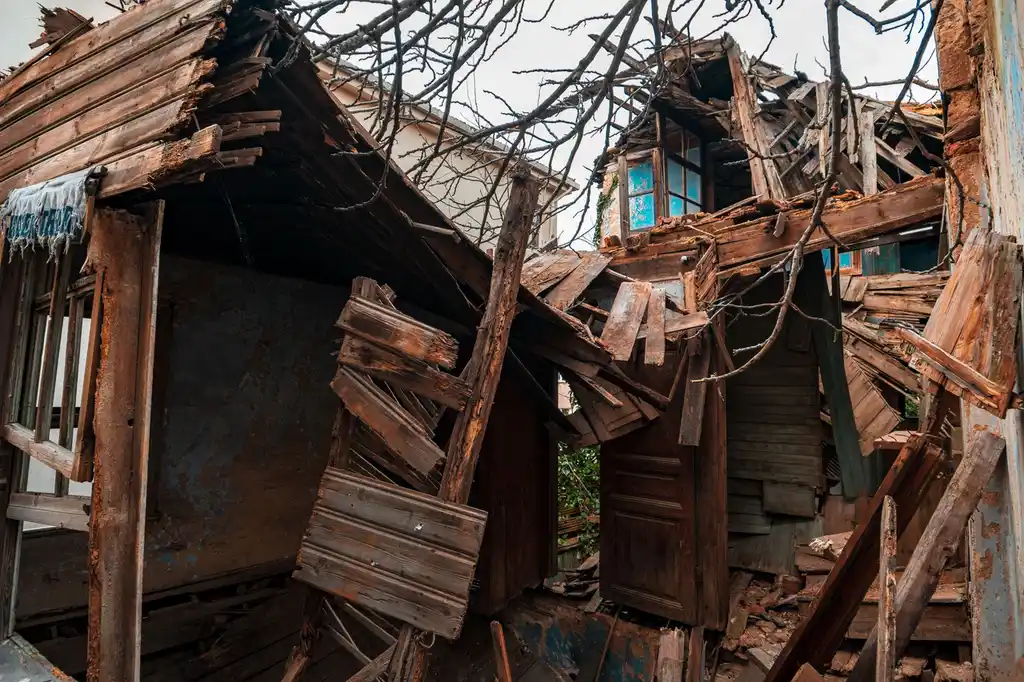
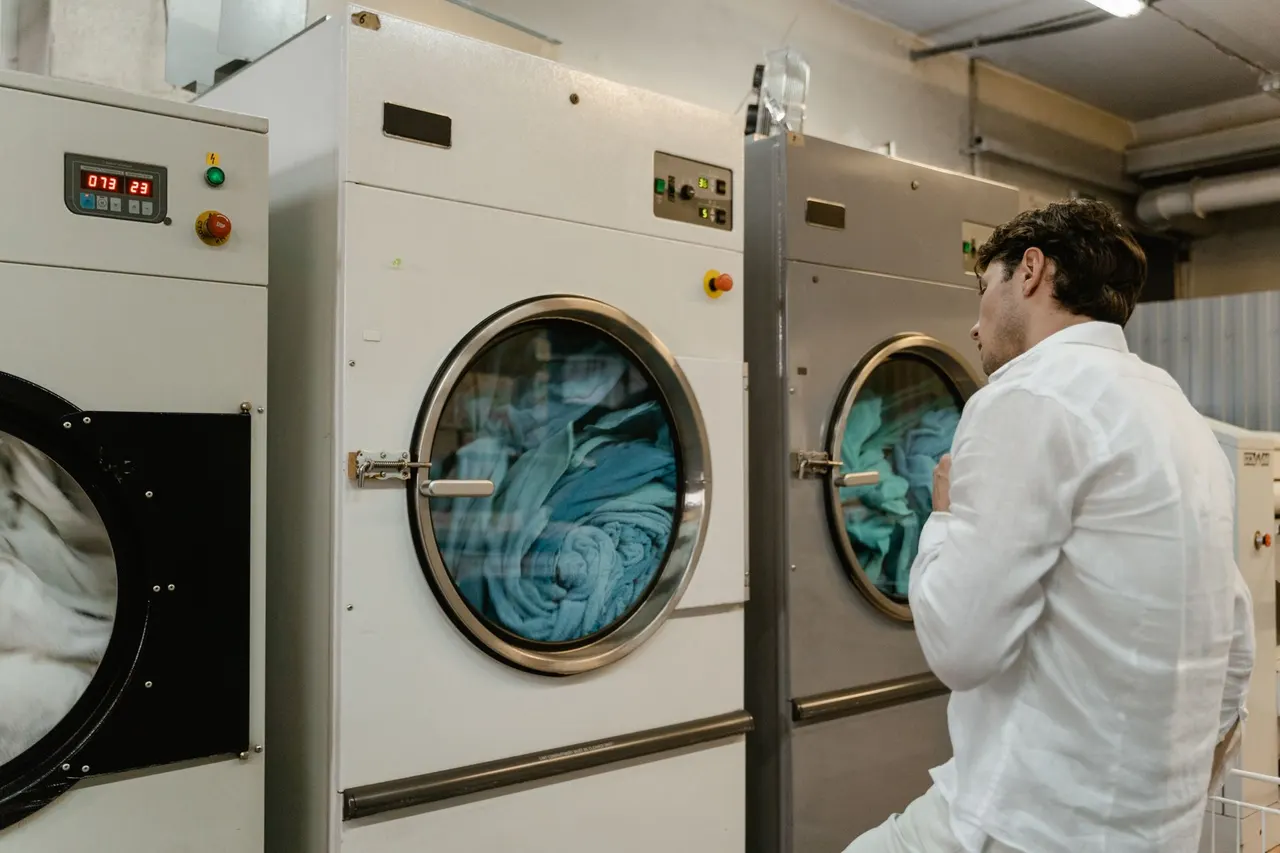
We pull the saturated padding, extract the carpet, and set drying equipment in both rooms. Baseboards come off where water has wicked up, and we check the subfloor with a moisture meter before we call the job dry. Appliance overflows push water under walls and into adjacent rooms fast. Carpet padding acts like a sponge and holds water against the subfloor for days.

We treat it as a contaminated loss from the start. Affected carpet, padding, and drywall come out, the area gets an antimicrobial application, and drying begins only after the contaminated materials are gone. We document every step for your insurance carrier. Sewage backups are category 3 water, which means contaminated. Standard extraction is not enough, and porous materials that absorbed the water usually have to be removed.
Mold growth can begin on wet drywall and insulation in 24 to 48 hours. We extract standing water, apply an antimicrobial solution to affected framing, and start drying the same day. A moisture meter reading below 16 percent on wood framing tells us the structure is back to a safe range.
Carpet padding that stays wet more than 48 hours usually has to go, but the carpet above it can often be saved with fast extraction. Hardwood and subflooring respond to quick water removal and controlled drying. We pull baseboards to let air move behind them, which is where hidden water does the most damage.
We document moisture readings, photograph affected materials, and record the drying timeline from day one. That record is what your adjuster needs to approve the claim without a fight. For 24/7 emergency water removal vero beach homeowners rely on, that documentation starts the moment we arrive.
Most single-room water losses dry in three to five days with proper air movement and dehumidification. We check readings daily and tell you exactly when the equipment can come out. You are not guessing, and you are not paying for equipment that is no longer doing anything.
Typical 2026 pricing for emergency water removal in this area runs $1,200 to $3,500 for a residential job, and the number depends on square footage, water category, and how many days of drying are needed. A small appliance overflow in one room sits at the low end. A sewage backup that requires removal of carpet, padding, and affected drywall sits at the high end. We quote before we start, and we document everything for your insurance claim. If you are comparing emergency water extraction in vero beach quotes, ask what is included in the drying days, because that is where the real cost lives.
What your estimate is based on
$1,200 - $3,500 depending on scope The price covers extraction, drying equipment, daily monitoring, and the documentation your insurance claim needs. Doing it right the first time is cheaper than drying a floor twice or remediating mold that started because the structure stayed wet.
Clear records you can keep and share.
What is wet and what comes out
Moisture numbers logged every day
Photo and reading record for your claim
A floor that feels dry can still be holding water in the subfloor and the wall cavity. The moisture meter and hygrometer readings decide when the equipment comes out, not the calendar.
We record a dry reading in an unaffected part of the home. Every affected material is measured against that number, not against how it feels.
Water wicks up drywall and insulation behind baseboards. A thermal imaging camera and boroscope show us what is wet before we decide what comes out.
Indian River County humidity slows drying. Dehumidifiers pull moisture out of the air so the air movers can keep pulling it out of the structure.
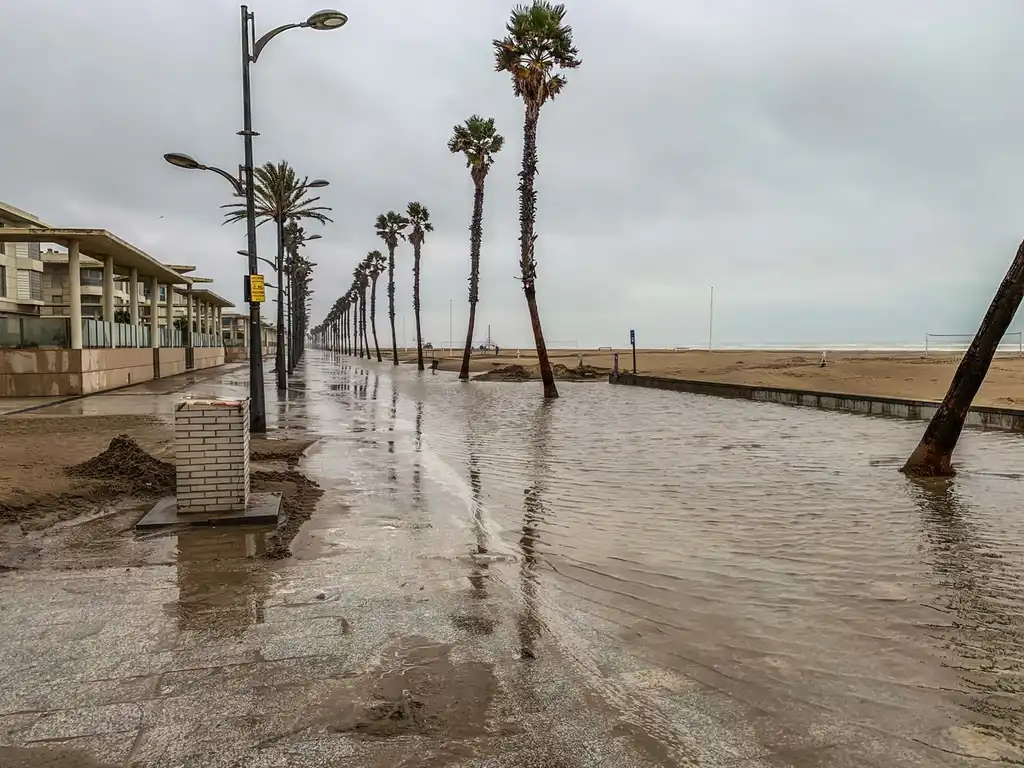
Outside these areas? Call and we will tell you if we can reach you. (772) 905-3839
We typically arrive within 60 to 90 minutes of your call inside vero beach, and we start extraction as soon as we are on site. The extraction itself takes two to four hours for a standard room. Drying runs three to five days depending on materials. If you are in Central Beach or South Beach, call (772) 905-3839 and we will give you a real arrival window, not a guess.
Yes. Our phone line is staffed around the clock, including holidays, and we dispatch for 24/7 emergency water extraction in vero beach every night of the week. A burst pipe at 2 a.m. gets the same crew and the same equipment as a 2 p.m. call. We will also walk you through shutting off the main valve while we are in route.
Most residential jobs run $1,200 to $3,500 in 2026 pricing, depending on square footage, water category, and how many days of drying are needed. A small appliance overflow in one room sits at the low end. A sewage backup that requires removal of carpet, padding, and affected drywall sits at the high end. We quote before we start, and we document everything for your insurance claim.
Shut off the water at the main valve if you can reach it safely, and kill power to any room with standing water at the breaker. Move furniture and rugs off wet carpet, and do not run a household fan over standing water. Do not pull up carpet yourself. Leave the wet materials where they are so we can document them for your claim, and call (772) 905-3839 so we can talk you through the rest.
Water spreads fast, and every hour of delay gives it more room to work. Call (772) 905-3839 and we will give you a real arrival window, walk you through shutting off the water, and bring the equipment to get your floor dry.
If you have water where it should not be, call (772) 905-3839. We answer emergency calls and can usually have a crew at your door within a couple of hours for active leaks and flooding. For non-emergency work, call during business hours and we will schedule a walkthrough. You can also email info@verobeachdamagefixpros.com.