Written scope
What we remove, dry, and repair
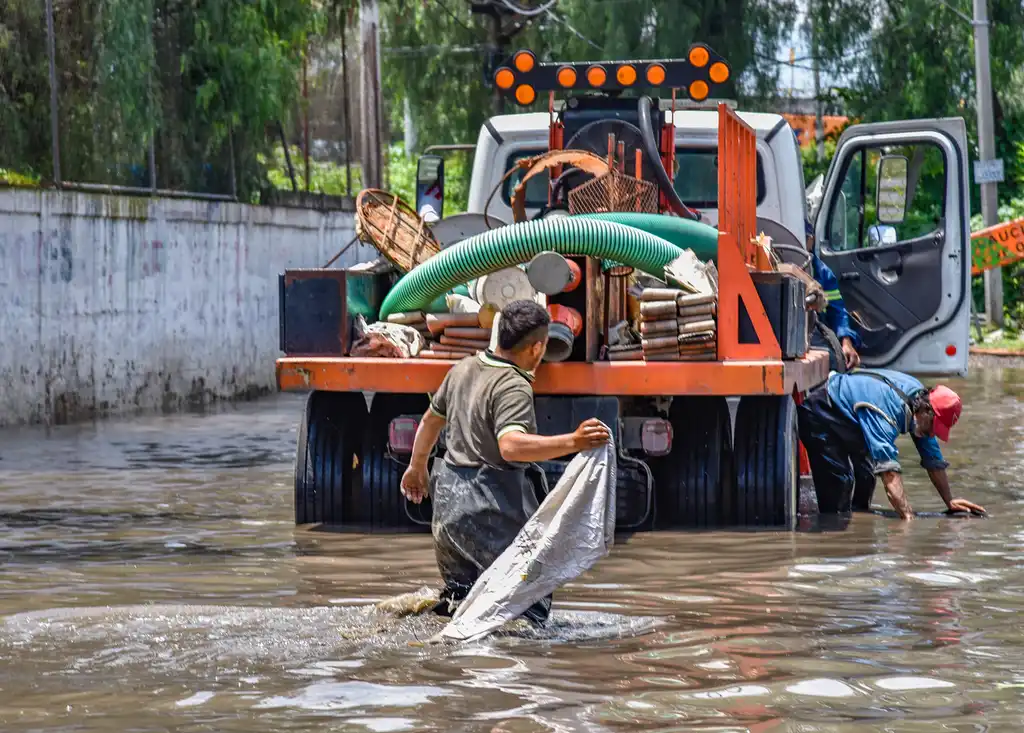
When a pipe bursts or a storm pushes water under your door, Water Damage Restoration in vero beach from our crew starts with a moisture meter and ends with a verified dry standard. We handle water damage repair in vero beach for homeowners, landlords, and business owners across Indian River County, and we answer the phone 24/7 because water does not wait for business hours.
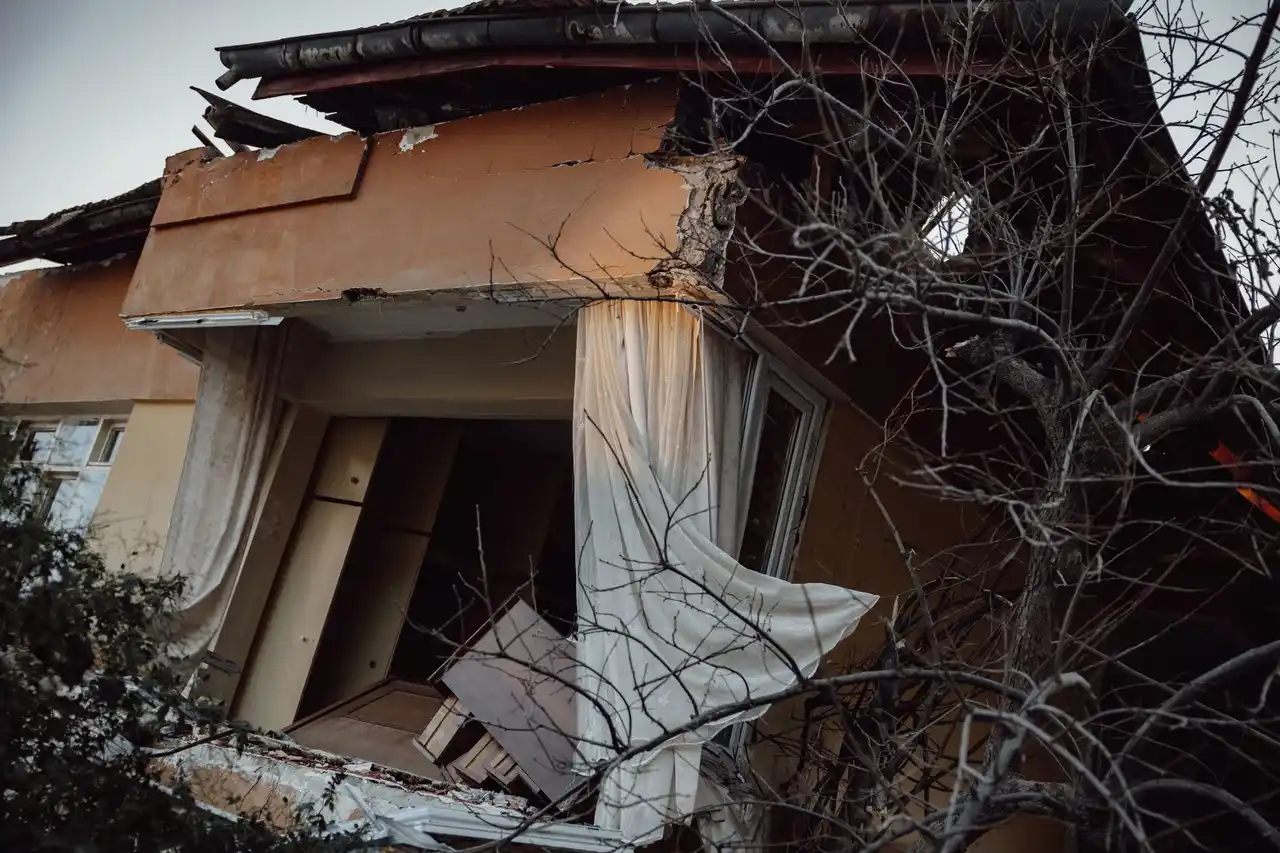
Our standard scope covers inspection, extraction, drying, monitoring, and the repair work to return your home to pre-loss condition. If you need something beyond that, like cabinet replacement or flooring upgrades, we will tell you before work begins so there are no surprises.
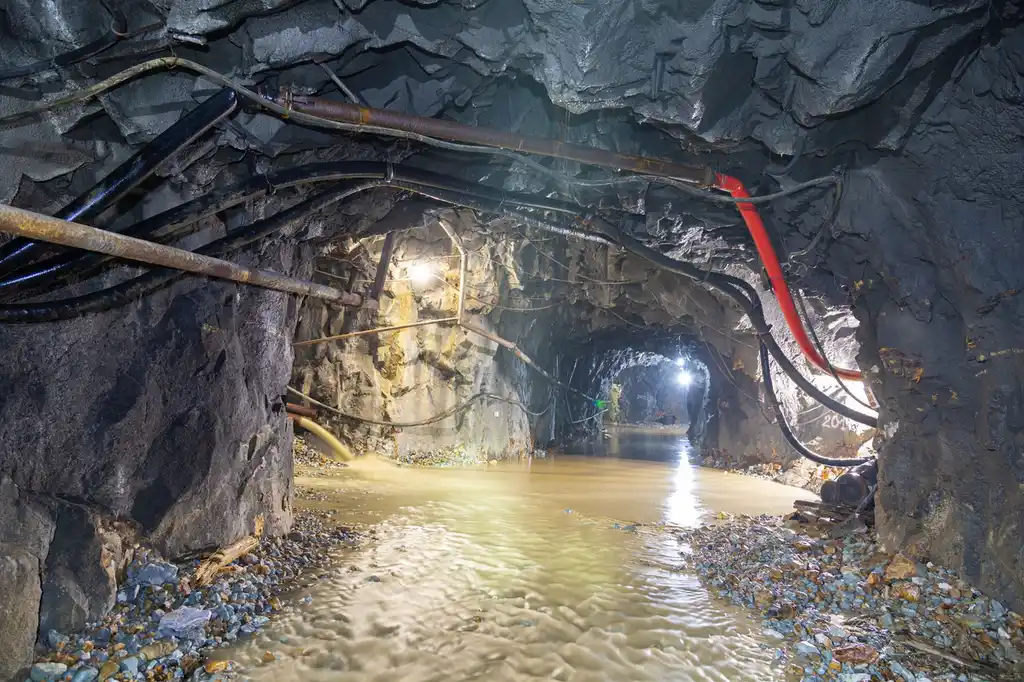
We handle water losses in houses, condos, and rentals across vero beach. You get a measured drying plan and repair by the same crew.
We work with property managers and business owners to keep water losses from closing a space longer than needed. Drying and repair are scheduled around your operating hours.
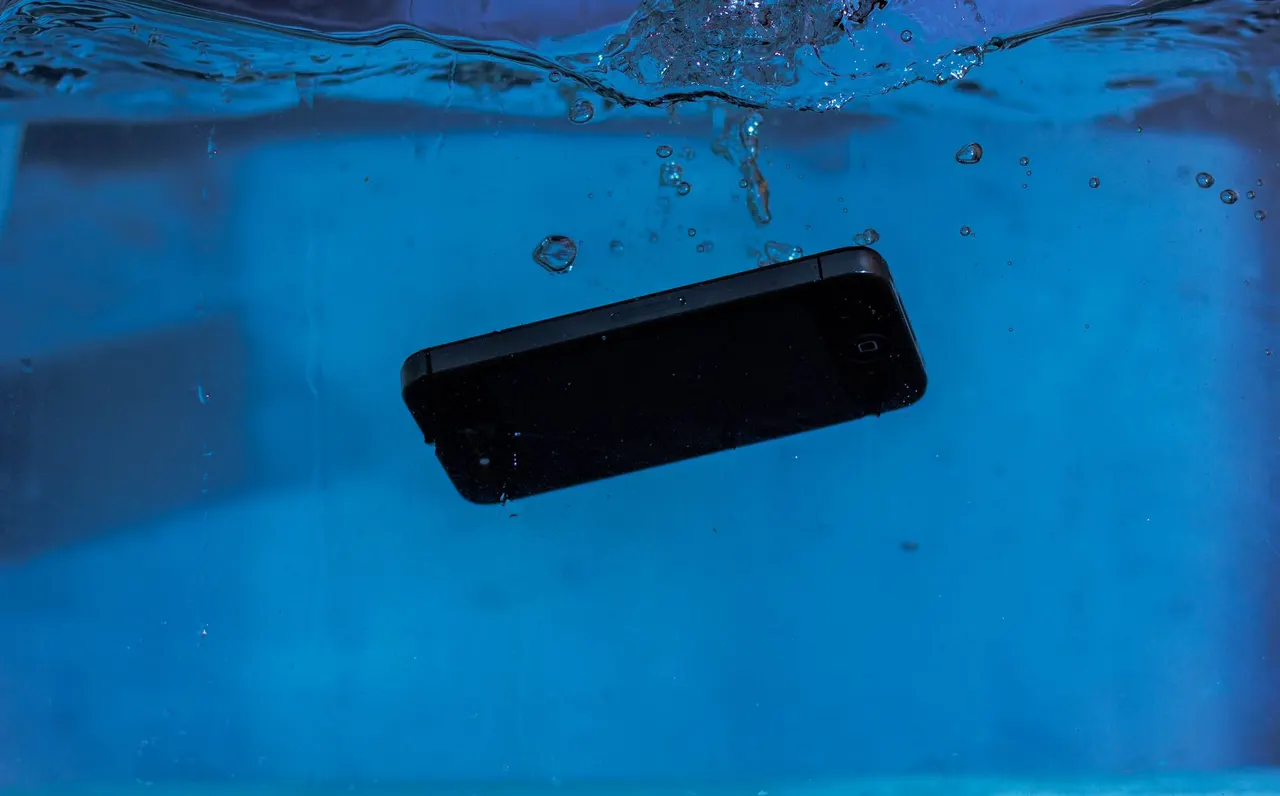
Water Damage Restoration in vero beach is the measured process of removing standing water, drying the structure to a documented standard, and repairing what the water ruined. It is not a fan pointed at a wet wall. We use a moisture meter and thermal imaging camera to map how far water traveled through drywall, insulation, baseboards, carpet padding, and subflooring, then we set drying equipment sized to the cubic footage of the affected rooms. Every job gets daily readings so you know the structure is dry, not just dry to the touch.
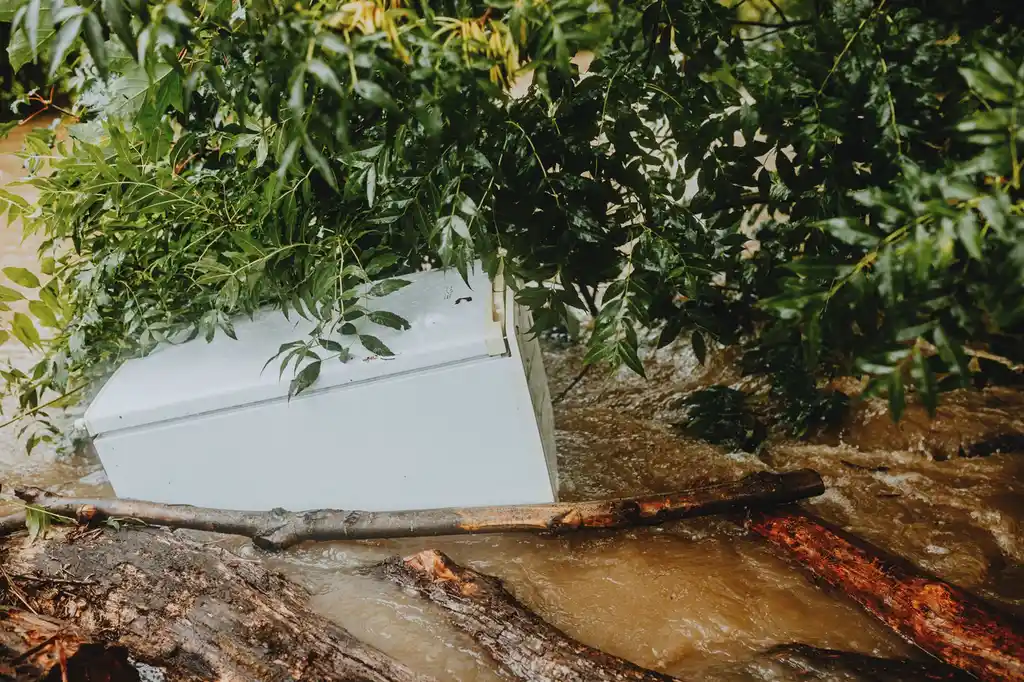
In vero beach, most calls come from three places: a slab leak that quietly soaks a hallway, a roof leak that shows up as a ceiling stain after a summer storm, and an appliance overflow behind the washer. Salt air and humid summers mean a wet wall here can grow mold faster than homeowners expect, so timing matters. If you are searching for water damage repair near me vero beach at 2 a.m., our crew rolls with extraction units and drying gear already loaded.
We extract the water, dry to a measured standard, and repair what the water ruined.
Five steps, in order, every time. You will know what is happening, who is doing it, and how long it should take before we start.
You call (772) 905-3839 and describe what happened. We ask about the water source, how long it has been running, and whether the power is safe. Within minutes you get a clear arrival window and a short list of what to do before we get there, like shutting off the supply valve.
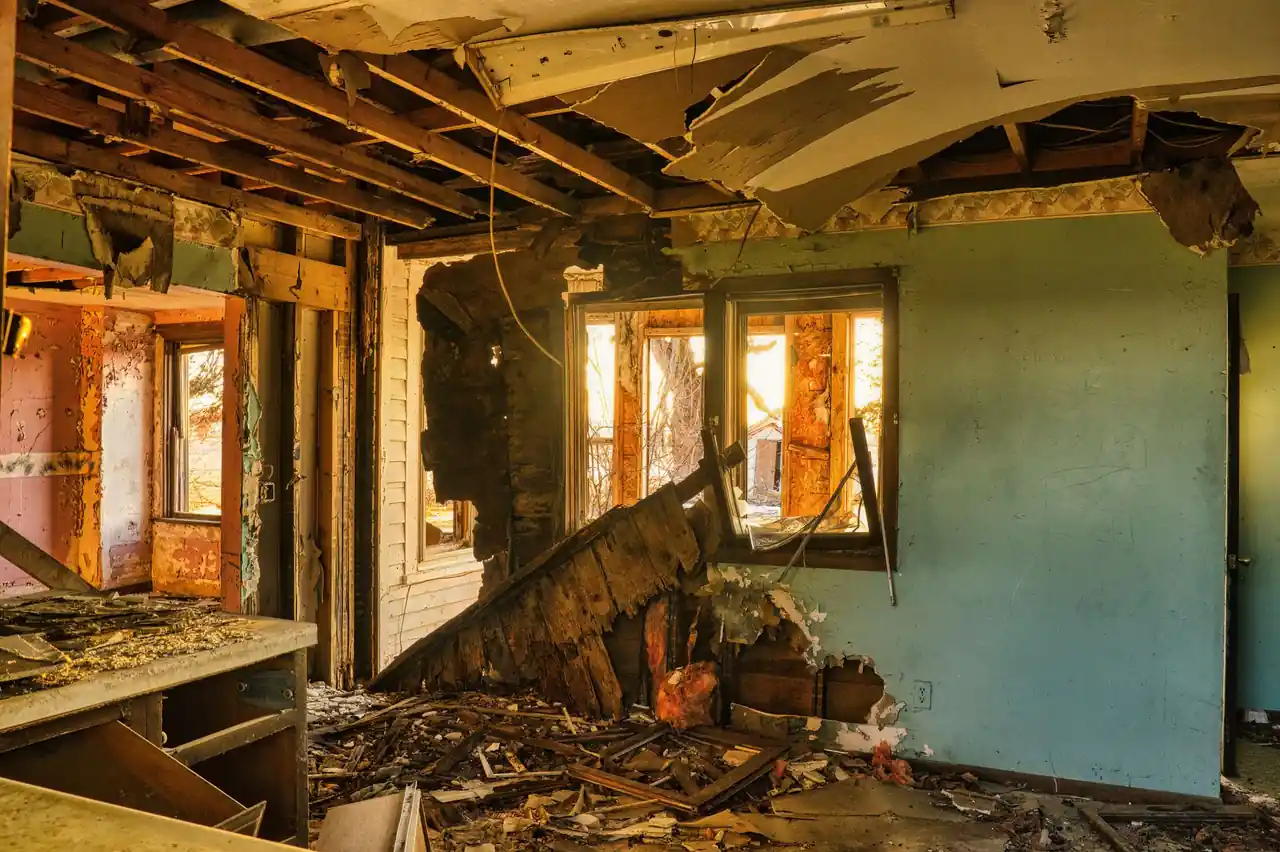
We walk the property with a moisture meter, thermal imaging camera, and hygrometer. Readings go on a sketch of each affected room. This is where we find the water you cannot see, such as a slab leak spreading under tile or a roof leak traveling down a wall cavity.
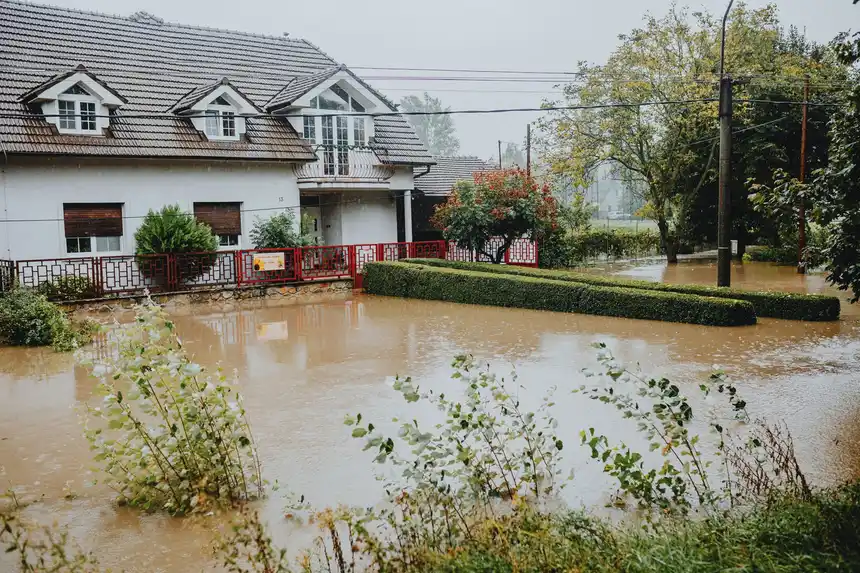
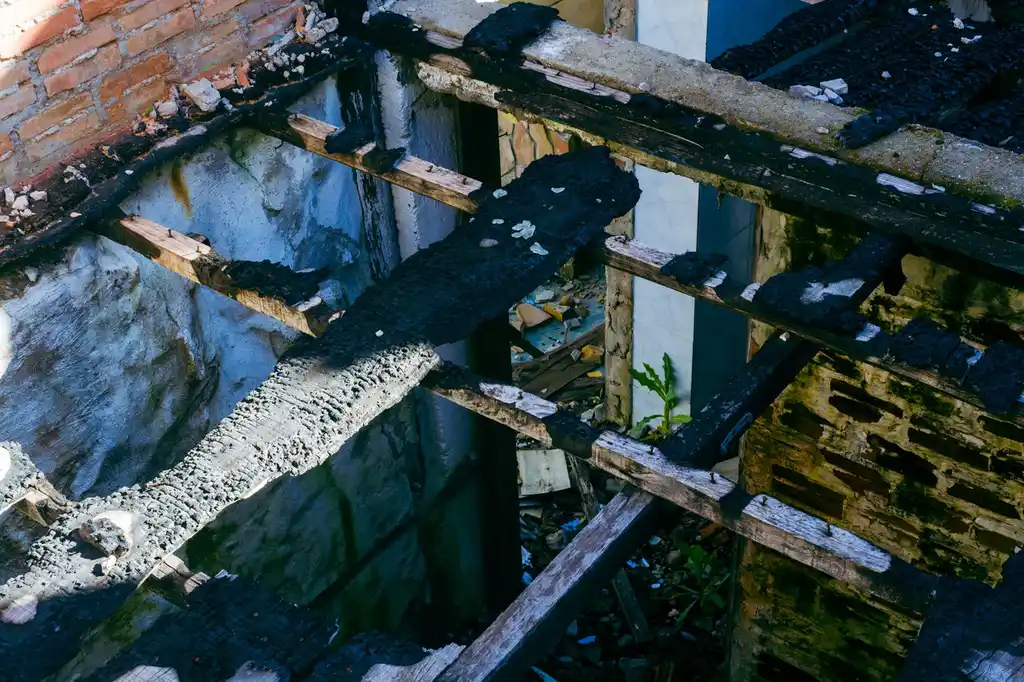
Standing water comes out with a water extraction unit. Carpet padding, saturated drywall, and insulation that cannot be saved are removed and bagged. We set up containment where needed and apply antimicrobial solution to framing and cavity surfaces before drying begins.
We place dehumidifiers and air movers sized to the room volume, then return daily to log readings. A typical bedroom or small living area dries in three to five days. You get a daily update, and we adjust equipment as the numbers change.
Once readings confirm dry, we repair what was removed: baseboards, drywall, paint, and trim. The final walk includes a moisture check of every repaired area and a written summary you can hand to your insurer or landlord.
Used to measure moisture content in drywall, wood, and subflooring and to confirm when a material has reached its dry standard.
Reveals temperature differences that indicate hidden water behind walls, under tile, and in ceiling cavities without cutting into the structure.
Measures relative humidity and dew point in the affected rooms and outside, which tells us how much drying capacity the space needs.
Lets us look inside wall cavities and behind cabinets to confirm whether insulation and framing are wet before we decide what to remove.
Removes standing water and pulls water from carpet and padding. Sizing the unit to the job is what makes same-day extraction effective.
We use Dri-Eaz and Phoenix Restoration Equipment units to pull moisture from the air and move dry air across wet surfaces. Equipment count is based on room volume.
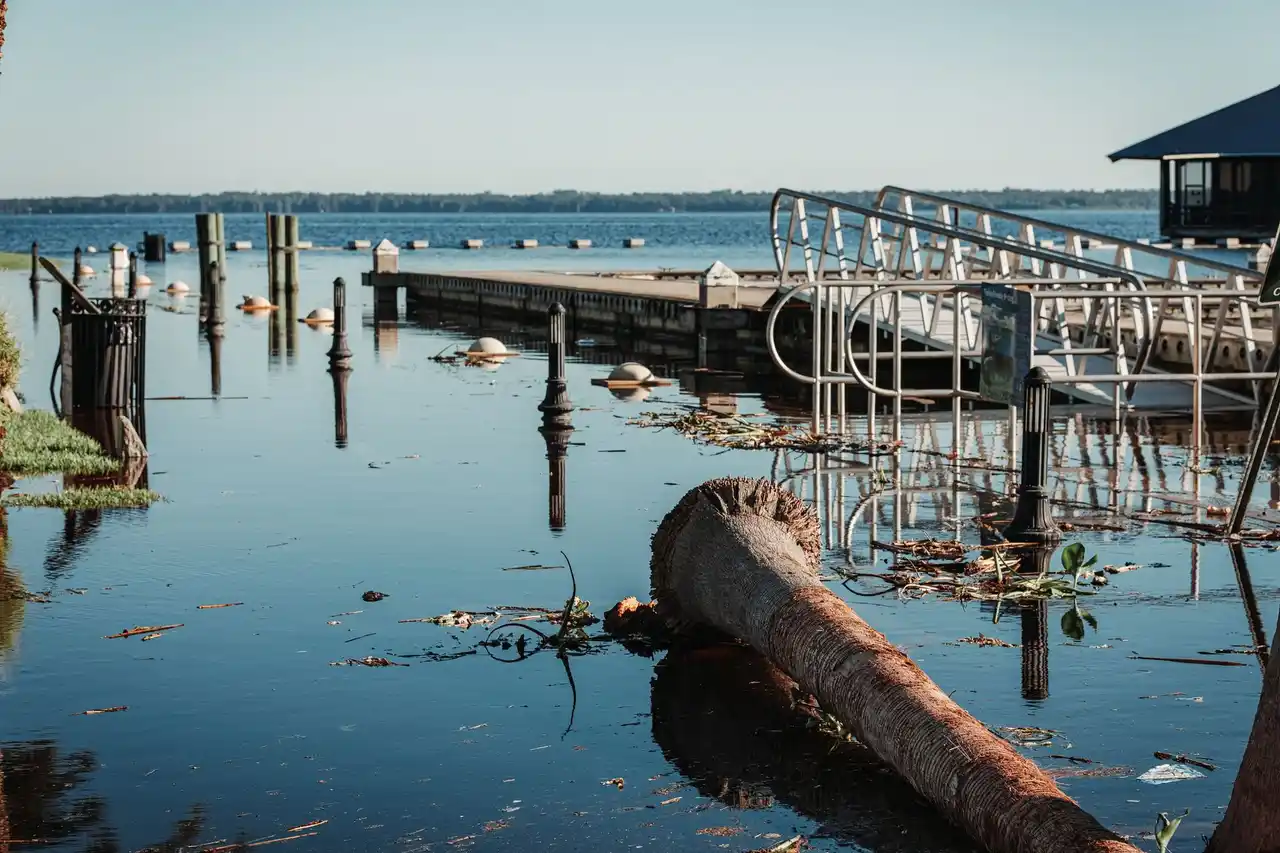
IICRC WRT is the water damage restoration standard we follow for categorizing water losses and selecting the right extraction, removal, and drying approach for each category.
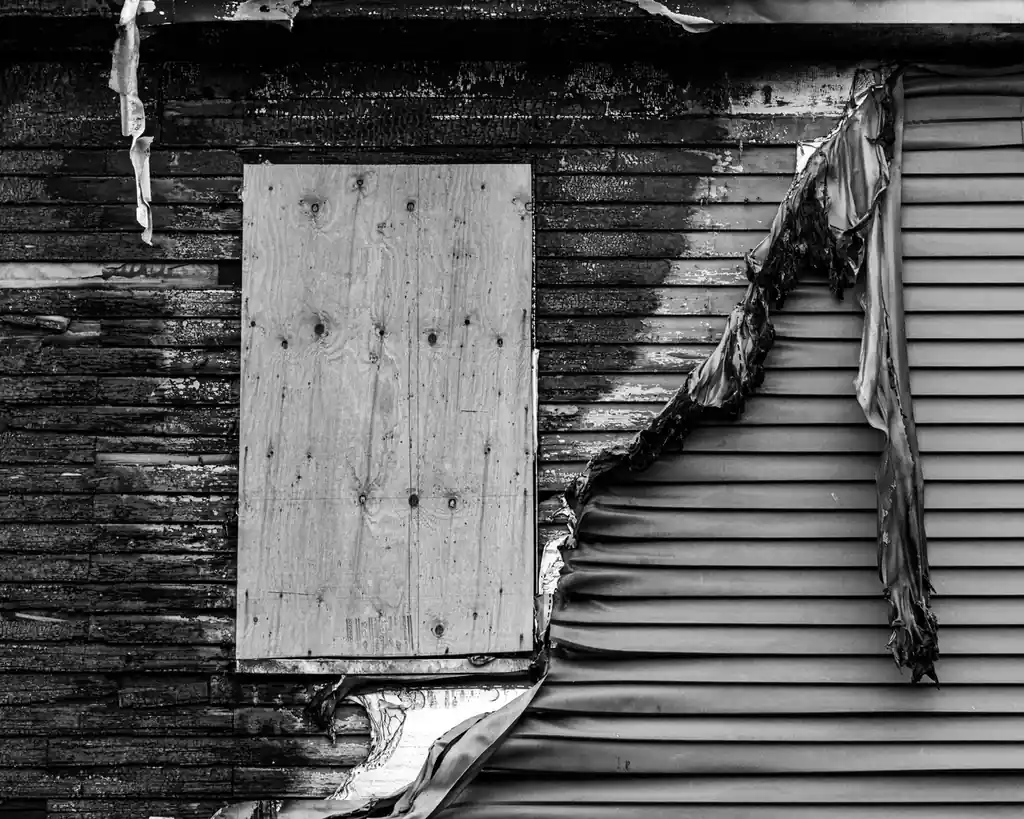
IICRC ASD guides how we calculate drying capacity, place equipment, and monitor readings daily. It is the difference between drying to the touch and drying to a documented standard.
We extract standing water, remove saturated drywall and insulation, apply antimicrobial solution, and set drying equipment. Daily monitoring confirms the cavity is dry before we repair. The home is dry in five days, and the repaired wall is painted to match. The owners return to a finished room instead of a construction zone.
We extract the water, remove the wet carpet padding, and dry the carpet and subflooring with air movers and a dehumidifier. We treat the area with antimicrobial solution. The carpet is dry in three days, new padding is installed, and the carpet is reinstalled. The owner avoids a full carpet replacement.
We shut off the supply, extract the water, remove wet baseboards and drywall, and dry the slab and framing. We repair the drywall and baseboards after drying is verified. The utility room and hallway are dry in four days, and the repair is complete within two weeks. The homeowner has a written drying summary for insurance.
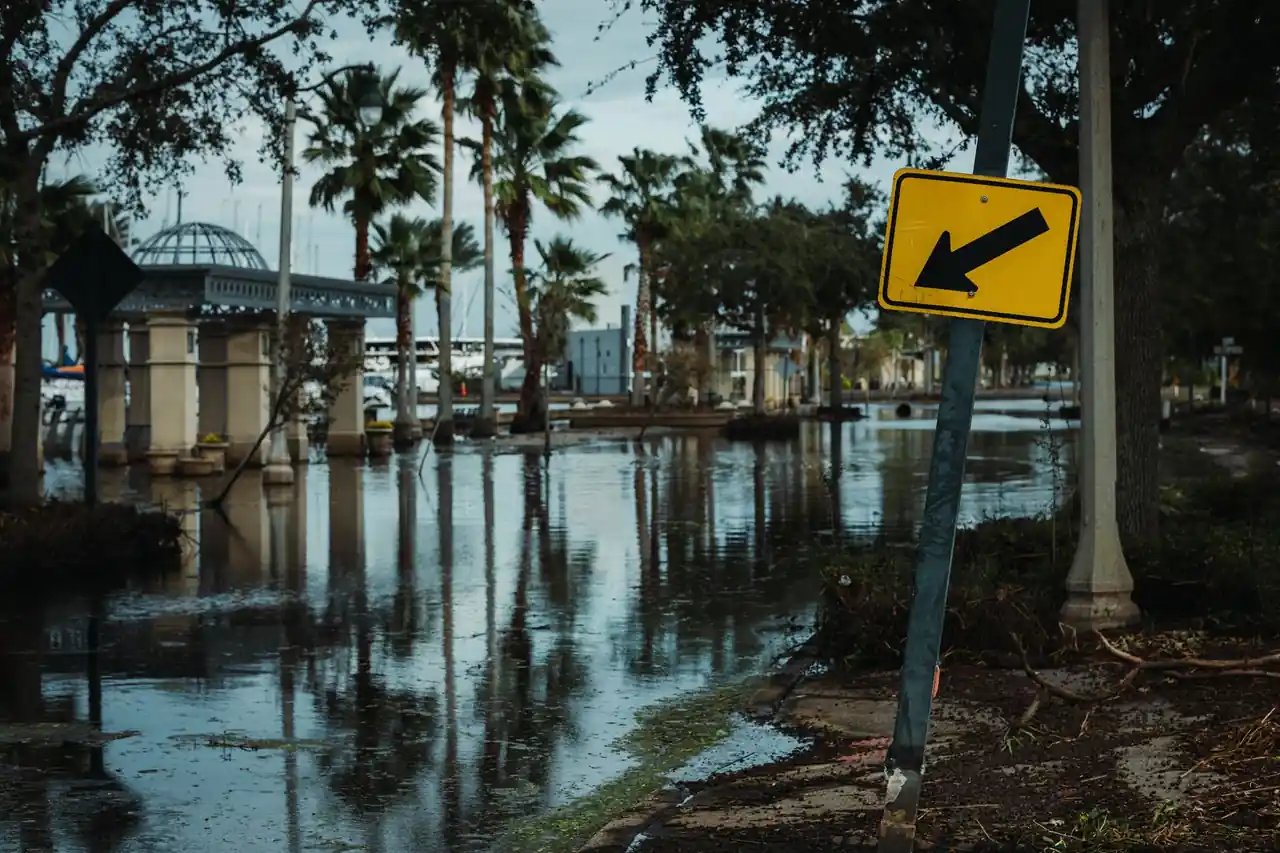
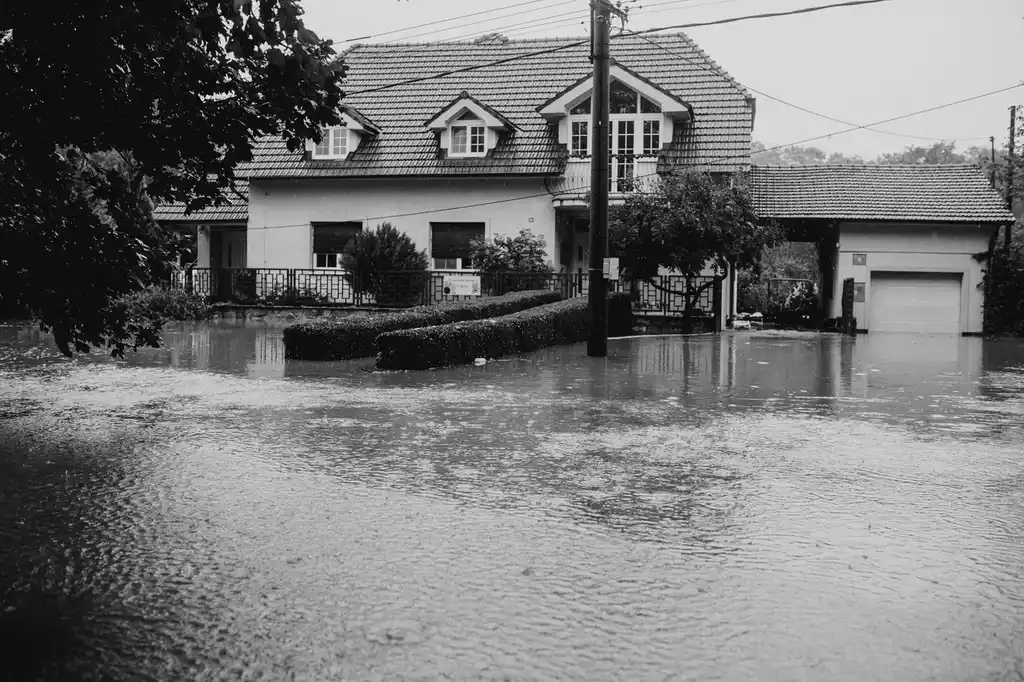
vero beach sits on a barrier island and inland along the Indian River, and that geography shapes water losses here. Beachside homes in Central Beach and South Beach deal with salt air, wind-driven rain, and older roof assemblies. Inland homes often sit on slab, which means a slab leak can travel under tile for weeks before a stain shows. Summer humidity is the other factor: with relative humidity often above 80 percent, a wet wall dries slower here than in drier climates, and mold can start within 24 to 48 hours. That is why we size dehumidifiers for the room volume and log readings daily. If you need emergency water damage repair in vero beach Florida 24/7, we answer the phone and dispatch with extraction equipment loaded. We also work with Indian River County homeowners on insurance documentation, and we serve ZIP codes 32963, 32960, 32961, 32964, 32965, and 32969.
A supply line under the kitchen sink failed and ran for hours. Water spread across the kitchen floor, soaked the baseboards, and wicked up the drywall 14 inches. The homeowner found standing water when they got home.
We extracted the water, removed the wet baseboards and lower drywall, applied antimicrobial solution, and dried the cavity in four days. New drywall and baseboards were installed and painted. Moisture readings matched the dry standard before we closed the wall.
Check supply lines and shutoff valves under sinks once a year. Replace braided lines every five to seven years, and know where your main shutoff is.
A summer storm pushed water under the sliding door and soaked the carpet in a ground-floor condo. The padding was saturated and the carpet was wet across a 12-foot span. The owner was worried about mold.
We extracted the water, removed the wet padding, applied antimicrobial solution, and dried the carpet and subflooring in three days. New padding was installed and the carpet was reinstalled. The owner avoided a full carpet replacement.
Keep door thresholds and weather stripping in good shape, and check the sliding door track before storm season. A towel at the door during a storm can prevent a repeat.
A 12-year-old water heater failed and sent water into the utility room and hallway. The drywall was wet 10 inches up, and the baseboards were saturated. The homeowner noticed the smell of damp drywall the next morning.
We shut off the supply, extracted the water, removed wet drywall and baseboards, and dried the framing and slab in four days. We repaired the drywall and baseboards and painted the hallway. The new water heater was installed by a plumber.
Flush the water heater once a year and check the pan and drain line. Replace the unit at the end of its rated life rather than waiting for a failure.
Most water losses start small and get expensive quietly. These are the problems we see most often, and how we handle them.
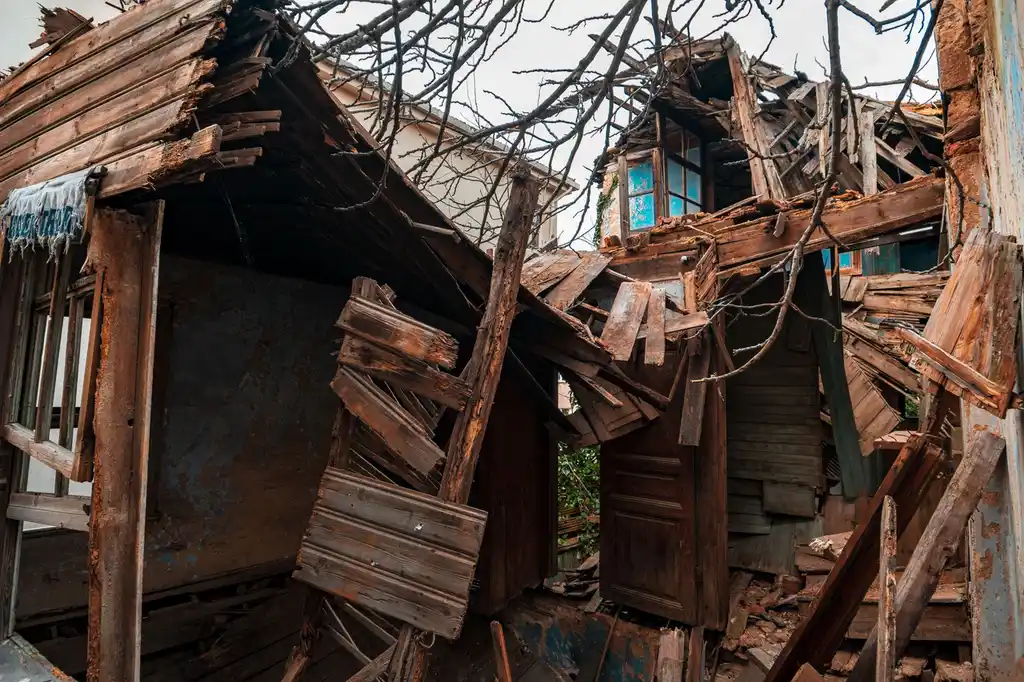
We use a thermal imaging camera and moisture meter to map the spread, extract standing water, remove saturated materials, and dry the slab and walls to a documented standard. Then we repair the drywall and baseboards. Water under tile and carpet padding spreads sideways, warps baseboards, and can soften drywall before you see a stain. Left alone, it can lead to mold growth and structural rot.

We inspect the ceiling and wall cavity with a boroscope and moisture meter, remove wet insulation, apply antimicrobial solution, and set drying equipment. Once dry, we repair the drywall and paint. Water travels down wall cavities and shows up as a ceiling stain days later. Insulation stays wet and keeps the cavity humid, which is ideal for mold growth.
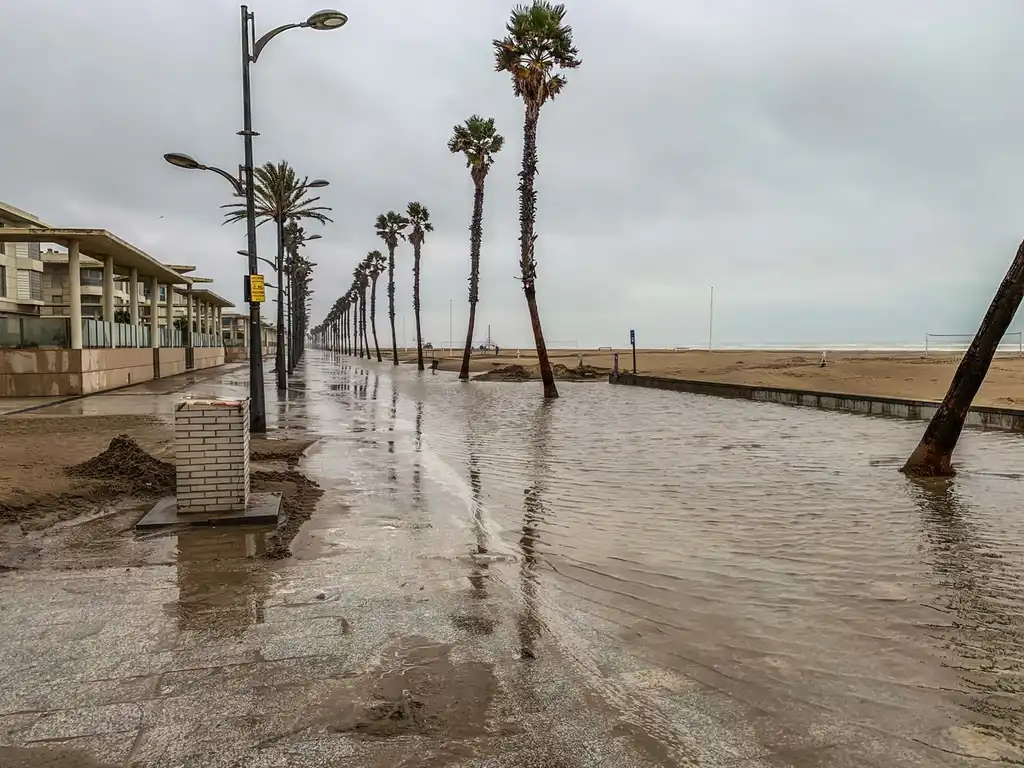
We extract the water, pull the wet padding, and dry the subflooring and walls. If the drywall is wet above the baseboard, we remove the lower section, dry the cavity, and repair it. A supply line failure can dump dozens of gallons before you notice. Carpet padding and subflooring soak it up, and the room stays humid for days.
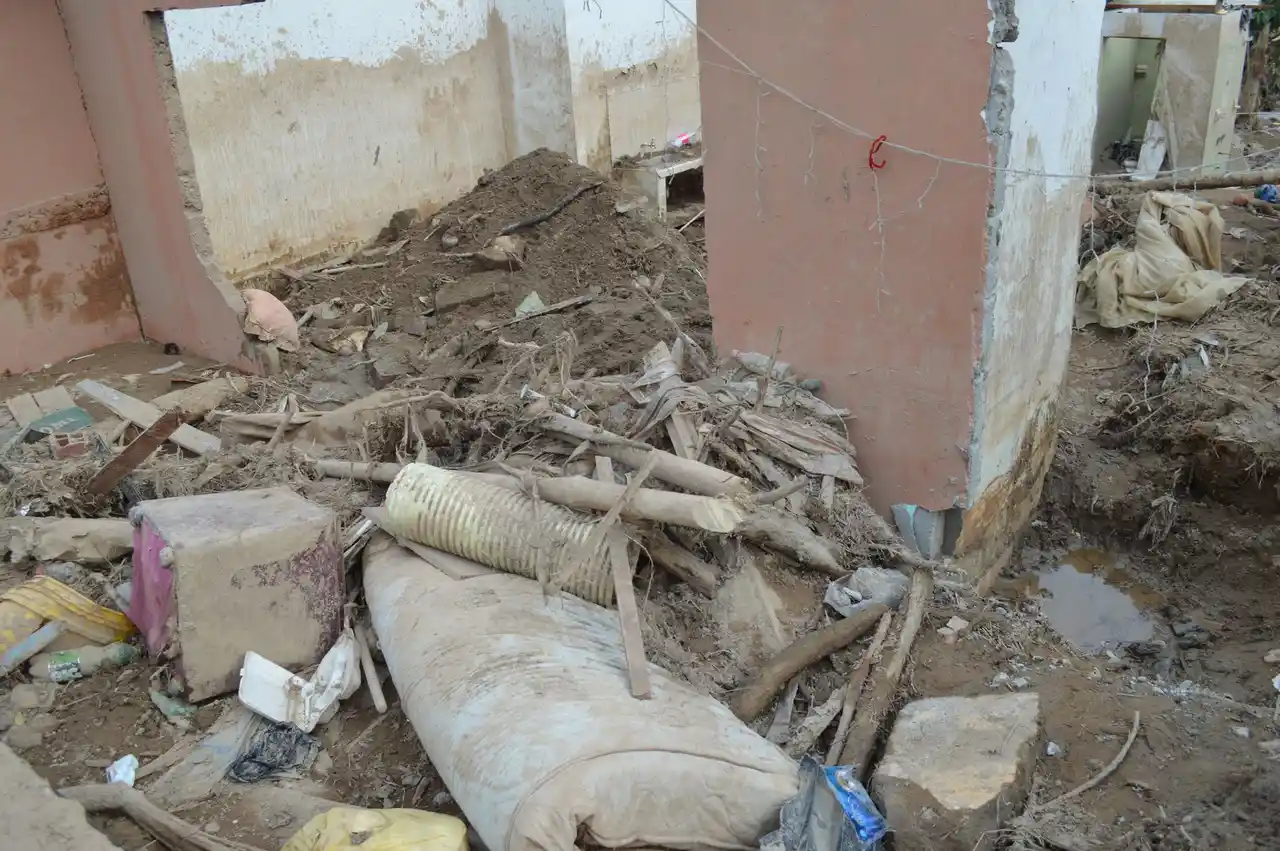
We contain the area, remove contaminated materials, apply antimicrobial solution, and dry the structure. We follow IICRC WRT and IICRC AMRT practices for contaminated water and mold-related work. Sewage is contaminated water. It requires removal of affected materials and antimicrobial treatment, not just drying. The health risk is real and the smell lingers.
We do not guess when a room is dry. Daily moisture meter and hygrometer readings are compared against a dry standard for your home, and you get the numbers. That documentation is what insurance adjusters ask for when you file a water damage repair vero beach claim.
Mold can begin colonizing wet drywall and carpet padding within 24 to 48 hours in Florida humidity. We apply antimicrobial solution to affected framing and cavity surfaces during extraction, which buys you time and protects the structure while drying runs.
Furniture, rugs, and electronics get moved, blocked, or boxed before equipment goes down. We photograph contents as we go so nothing is a mystery later. On a typical bedroom job, that is 45 minutes of careful staging before the first air mover starts.
You should not have to hire a dryer and then hunt for a drywall crew. Our water damage restoration and repair vero beach service covers both: drying first, then baseboards, drywall, paint, and trim put back to pre-loss condition by the same team.
Typical 2026 pricing in this area runs $1,200 to $4,500 for residential water damage restoration, depending on the size of the affected area, the water category, and how much material must be removed. A small appliance overflow with quick extraction can land near the low end. A slab leak that soaked multiple rooms and requires drywall removal pushes toward the high end. We give you a written scope and price before work begins. If you are comparing water damage repair vero beach quotes, ask whether drying monitoring and repair are included.
What your estimate is based on
$1,200 - $4,500 depending on scope The price reflects measured drying, daily monitoring, and repair by the same crew. That is what prevents callbacks and mold growth, and it is what your insurance adjuster wants to see.
Clear records you can keep and share.
What we remove, dry, and repair
Moisture logs for each affected room
Dry standard confirmed before repair
A wall can feel dry and still hold moisture that feeds mold. We measure moisture content and compare it to a dry standard for your home.
Water travels behind baseboards and under tile. A moisture meter and thermal camera show where it went. We map the spread before we remove anything.
Florida humidity slows drying. We size dehumidifiers for the room volume and log readings daily. Equipment is adjusted as the numbers change.
Repair starts only after readings confirm the structure is dry. That is how we avoid trapping moisture behind new drywall. You get a final moisture check.
Outside these areas? Call and we will tell you if we can reach you. (772) 905-3839
Most residential jobs in vero beach run $1,200 to $4,500 in 2026, depending on how much water was involved and how many rooms were affected. A small appliance overflow with quick extraction can land near the low end. A slab leak that soaked multiple rooms and requires drywall removal pushes toward the high end. We give you a written scope and price before work starts.
Water damage restoration in vero beach includes inspection with moisture meters and thermal imaging, water extraction, removal of unsalvageable materials, antimicrobial application, structural drying with dehumidifiers and air movers, daily monitoring, and the repair work to put your home back together. You receive a written drying summary at the end that documents the dry standard reached.
Drying typically takes three to five days for a single room and five to seven days for larger losses. Repair work adds time depending on scope: baseboards and paint may take one to two days, while drywall replacement and texture can take three to five. We give you a day-by-day schedule after the inspection so you can plan.
Yes, if the leak wet drywall, insulation, baseboards, or subflooring. Even a small leak behind a cabinet can soften drywall and warp baseboards over a few days. We inspect with a moisture meter and boroscope to see inside the wall, then tell you what needs repair and what can simply be dried.
Water spreads fast, and every hour counts. Call (772) 905-3839 and we will give you an arrival window, a clear scope, and a price before work begins. We answer 24/7.
If you have water where it should not be, call (772) 905-3839. We answer emergency calls and can usually have a crew at your door within a couple of hours for active leaks and flooding. For non-emergency work, call during business hours and we will schedule a walkthrough. You can also email info@verobeachdamagefixpros.com.